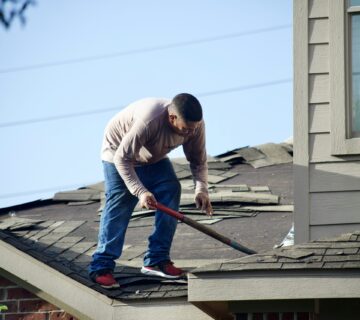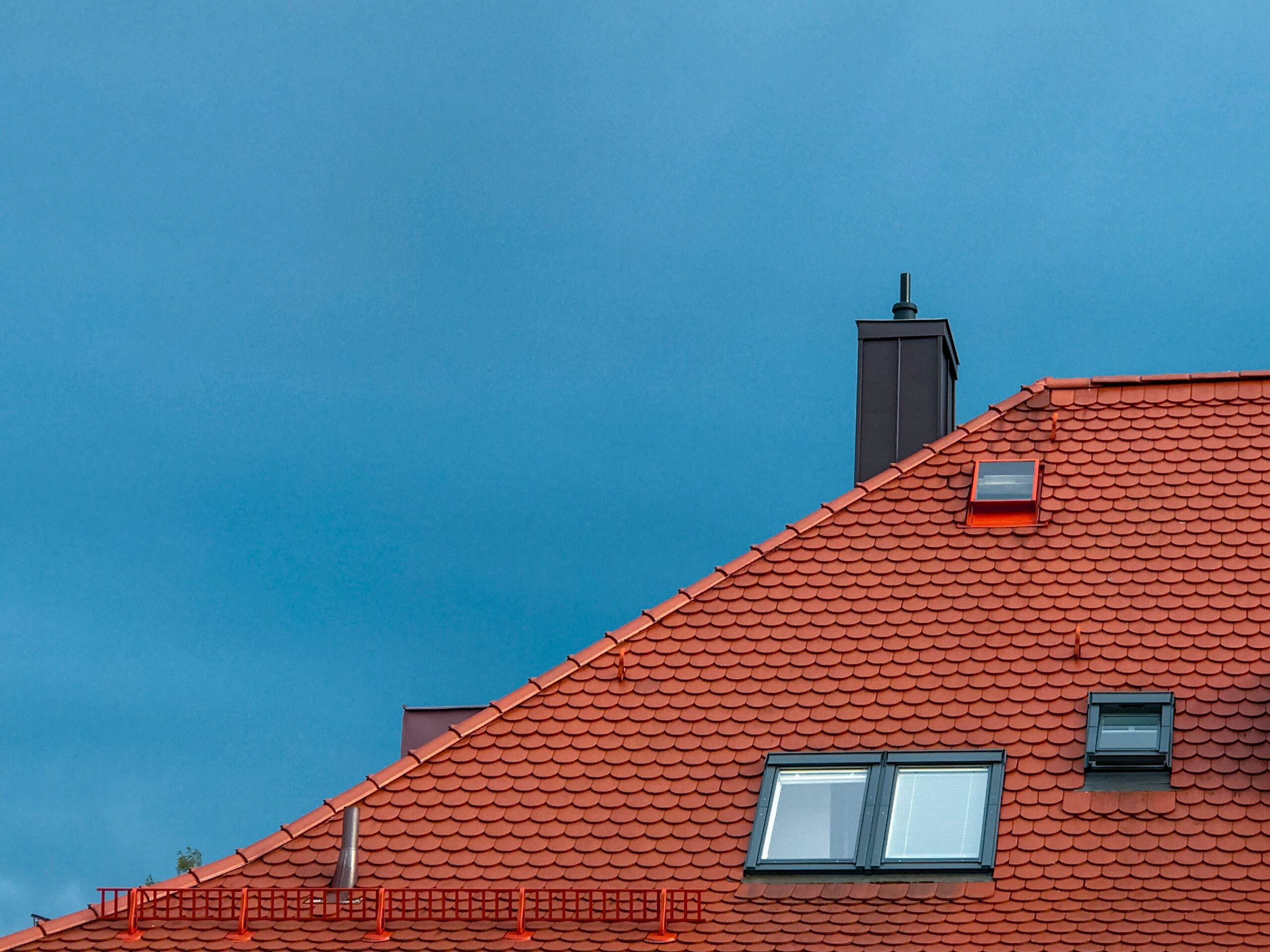
Upgrading your home with a residential roof replacement is one of the most impactful investments you can make, not just for your property’s aesthetic appeal but, more critically, for its structural integrity and your family’s safety. As a seasoned professional in the roofing industry, I’ve seen firsthand how a failing roof can lead to a cascade of expensive problems, from water damage and mold growth to compromised insulation and increased energy bills. This guide is designed to equip you, a homeowner in the Atlanta metro and North Georgia region, with the knowledge you need to navigate this significant undertaking with confidence, understanding the nuances specific to our unique climate and building environment.
Recognizing the signs that your roof needs replacement is the first step towards protecting your home. It’s not always about a dramatic collapse; often, the deterioration is gradual and insidious. Ignoring these early indicators can turn a manageable roof repair into a full-blown replacement necessity, costing you more in the long run.
The Lifespan of Your Current Roofing Material
Every roofing material has an expected lifespan, and understanding this is crucial. For instance, traditional asphalt shingles, a common choice in our area, typically last between 15 to 30 years, depending on their quality and the specific type. Architectural shingles, which offer a more robust and visually appealing profile, often extend that range to 30 years or more. However, these are averages. Factors like the quality of installation, exposure to harsh weather, and proper maintenance significantly influence how long your shingles will actually perform. If your roof is approaching or has exceeded its expected lifespan, it’s a strong signal to start planning for a replacement. Don’t just look at the calendar; examine the shingles themselves.
Visible Signs of Wear and Tear
Your roof will often give you visual cues that it’s struggling. These can include:
Curling or Buckling Shingles
When shingles begin to curl upwards or buckle, it’s a sign that the material is degrading. Heat, moisture, and age can cause the asphalt to break down and the fiberglass mat within to lose its integrity. This curling can lift the edges, making them more susceptible to wind damage and allowing water to seep underneath.
Cracked or Broken Shingles
Brittleness is another hallmark of an aging roof. As shingles become brittle, they are more prone to cracking, especially during temperature fluctuations or when walked on. Even small cracks can compromise the watertight seal of your roof.
Granule Loss
Asphalt shingles have a protective layer of mineral granules. You’ll often see these granules accumulate in your gutters, downspout screens, or even blown around your yard. Significant granule loss exposes the asphalt layer beneath to UV rays, accelerating deterioration and reducing the shingle’s ability to shed water effectively. A light dusting of granules in the gutter is normal, but a thick layer or visible bald spots on the shingles are red flags.
Missing Shingles
This is the most obvious sign of roof damage. Missing shingles can occur due to strong winds, improper installation, or simply because the adhesive has failed. A missing shingle creates a direct opening for water intrusion.
Internal Indicators of Roof Problems
The problems with your roof aren’t always visible from the ground or even on the roof surface itself. Sometimes, the first signs appear inside your home.
Water Stains or Discoloration on Ceilings and Walls
The most common internal indicator is the appearance of water stains or discoloration on your ceilings and attic walls. These spots, often appearing as brown or yellowish patches, are a clear indication that water is penetrating your roof system and reaching your home’s interior. These can be subtle at first, but they will likely grow and worsen over time if not addressed.
Musty Odors or Mold Growth
Persistent musty odors, particularly in your attic or upper rooms, can signal moisture buildup. This moisture can lead to the growth of mold and mildew, which is not only unpleasant but also a health hazard. Mold thrives in damp, dark environments, and your attic is an ideal breeding ground if there’s a roof leak.
Sagging Roof Decking
An attic inspection might reveal sagging or soft spots in the roof decking, the plywood or OSB sheets that form the base of your roof. This is a serious issue, indicating that the structural support of your roof is compromised, often due to prolonged water damage.
If you’re considering a residential roof replacement, it’s essential to understand the various factors that can influence your decision, from materials to contractors. A helpful resource on this topic can be found in the article about Washington roofing contractors, which provides insights into selecting the right professionals for your roofing needs. You can read more about it here: Washington Roofing Contractors. This article offers valuable information that can guide you through the process of replacing your roof effectively.
Choosing the Right Roofing Materials for Georgia’s Climate
Selecting the appropriate roofing material is paramount, especially considering the unique environmental challenges we face in Georgia. Our climate presents a combination of intense summer sun, high humidity, and the occasional severe weather event, including hailstorms and strong winds. The right material will not only offer superior protection but also enhance your home’s energy efficiency and curb appeal.
Asphalt Shingles: The Popular Choice
Asphalt shingles remain the most popular roofing material for good reason. They offer a good balance of cost-effectiveness, durability, and aesthetic variety.
Standard 3-Tab vs. Architectural Shingles
For homeowners in Georgia, I strongly recommend considering architectural shingles over traditional 3-tab shingles. While 3-tab shingles are the more economical option upfront, they are also lighter, less durable, and have a shorter lifespan (typically 15-20 years). Architectural shingles, on the other hand, are constructed with a heavier mat and a layered design that gives them a more dimensional, upscale appearance, similar to wood shakes or slate. Their thicker construction makes them more resistant to wind uplift, hail impact, and general wear and tear, often extending their lifespan to 25-30 years or even more. This increased durability is a significant advantage in our region where strong winds can be a concern.
Impact-Resistant Shingles (IR Shingles)
Given the possibility of hailstorms in North Georgia, investing in impact-resistant (IR) shingles is a wise decision. These shingles are designed to withstand the force of hailstones without cracking or puncturing. They carry a UL 2218 rating, with Class 4 being the highest, offering the best protection. While IR shingles may have a slightly higher initial cost, they can lead to lower insurance premiums and significantly reduce the risk of costly hail damage repairs, making them a sound long-term investment for your Georgia home.
Beyond Asphalt: Exploring Other Durable Options
While asphalt shingles are prevalent, other materials offer exceptional durability and unique benefits, especially for homeowners looking for enhanced performance or a distinct aesthetic.
Metal Roofing
Metal roofing has gained significant traction in recent years, and for good reason, especially in humid climates like Georgia. Options like standing seam metal roofs made from aluminum, steel (often galvalume coated for corrosion resistance), or copper offer outstanding longevity, often lasting 50 years or more. Metal roofs are highly resistant to wind, fire, and hail. Their reflective properties can also contribute to significant energy savings by reducing heat absorption, a major benefit during our hot Georgia summers. While the initial investment for a metal roof is higher than asphalt shingles, its extended lifespan and low maintenance can make it a more cost-effective solution over the life of your home.
Slate and Tile Roofing
For a truly premium look and exceptional durability, slate and clay/concrete tile roofs are excellent choices. Slate, a natural stone, is virtually impervious to the elements and can last over a century. Clay and concrete tiles, while heavier and potentially more prone to breakage from extreme impact (though modern tiles are quite robust), also offer impressive longevity and excellent fire resistance. These materials are particularly well-suited to certain architectural styles and can significantly enhance curb appeal. However, their considerable weight often requires reinforcing the existing roof structure, adding to the overall project cost.
The Roofing Replacement Process: What to Expect

A roof replacement is a significant undertaking, and understanding each step of the process will help you feel more in control and ensure a smooth, successful outcome. From initial consultation to final cleanup, your chosen contractor should guide you through this with clarity and professionalism.
Getting Multiple Quotes and Vetting Contractors
This is arguably the most critical phase of the entire project. You’re not just looking for the cheapest price; you’re looking for a qualified, trustworthy professional who will do the job right.
The Importance of Licensed and Insured Professionals
When you’re soliciting quotes, always verify that the roofing contractors are licensed by the state of Georgia and carry adequate liability insurance and workers’ compensation. A licensed contractor has met certain industry standards, and insurance protects you from financial responsibility in case of accidents or damage to your property during the work. Unlicensed and uninsured individuals may offer lower prices, but the risks involved—from shoddy workmanship to potential legal liabilities—far outweigh any perceived savings.
Asking the Right Questions
Don’t be shy about asking contractors detailed questions. Inquire about their experience with similar projects in your area, their warranty offerings (both on materials and workmanship), and their approach to site cleanup and debris removal. A reputable contractor will be happy to answer your questions and provide references. It’s also wise to ask for a detailed proposal that outlines the scope of work, materials to be used, timeline, and payment schedule.
Material Selection and Site Preparation
Once you’ve chosen a contractor, the next steps involve finalizing material choices and preparing your home for the work ahead.
Finalizing Material and Color Choices
This is where your vision starts to take shape. Your contractor can provide samples of various roofing materials and colors. Consider how the new roof color will complement your home’s existing exterior, including siding, trim, and landscaping. Think about the aesthetic you want to achieve – whether it’s a classic, modern, or rustic look.
Protecting Your Property
Before the work begins, your contractor should discuss measures to protect your property. This typically includes covering landscaping, decks, patios, and sensitive outdoor features with tarps. They should also outline their plan for managing debris, including the use of a dumpster and how they will protect your driveway and lawn from damage.
The Demolition and Installation Phases
This is the core of the replacement project. It’s important to understand what happens during these phases to anticipate potential disruptions.
Tear-Off and Underlayment Installation
The process begins with the removal of your old roofing materials – a process known as the “tear-off.” This allows the crew to inspect the underlying roof deck for any rot or damage, which is crucial for a sound foundation. Damaged decking will be replaced. Following the inspection and any necessary repairs, a new layer of protective underlayment is installed. This synthetic or felt material acts as a secondary water barrier, providing critical protection against moisture that might get past the shingles. Ice and water shield membranes are often applied in vulnerable areas like eaves and valleys, which is particularly important in Georgia to protect against ice dams and wind-driven rain.
Shingle Installation and Flashing
The new shingles are then meticulously installed according to manufacturer specifications and local building codes. Proper installation of flashing – the metal or plastic pieces installed at roof valleys, around chimneys, vents, skylights, and other roof penetrations – is absolutely critical. Flashing is designed to direct water away from these vulnerable areas, preventing leaks. A high-quality installation will ensure all flashing is properly sealed and integrated into the roofing system. For metal roofs, this phase involves the precise fitting and fastening of panels, ensuring watertight seams and secure edges.
Post-Installation and Cleanup
The job isn’t truly finished until the site is clean and the final inspections are complete.
Debris Removal and Site Cleanup
Your contractor’s commitment to cleanliness is a good indicator of their overall professionalism. A thorough cleanup involves removing all old roofing materials, nails, and construction debris from your roof, yard, and driveway. Magnetic sweepers are often used to ensure even small nails are picked up, protecting your family and vehicles.
Final Inspection and Warranty Information
Once the work is complete, a final inspection of the roof should be conducted by your contractor and, ideally, by you. This is your opportunity to walk around the property with the crew leader and ensure you are satisfied with the installation and the cleanliness of the site. You should also receive all warranty information, both for the materials and for the contractor’s workmanship. Understanding these warranties, including what they cover and how to make a claim, is essential for your peace of mind.
Addressing Common Concerns and Questions

It’s natural to have questions and concerns when embarking on a project as significant as a roof replacement. Addressing these proactively will help ease any anxieties and ensure you’re fully prepared.
Cost of a Residential Roof Replacement in Georgia
The cost of a residential roof replacement in the Atlanta metro and North Georgia area can vary significantly based on several factors, including the size and pitch of your roof, the type of materials chosen, the complexity of the roof design, and the contractor you select.
Factors Influencing the Price
As mentioned, material choice plays a huge role. Asphalt shingles are generally the most budget-friendly option, with prices ranging from $5 to $12 per square foot installed for architectural shingles. For higher-end options like metal roofing, you might expect to pay between $9 to $15 per square foot, and for premium materials like slate or tile, costs can easily exceed $15 to $30 per square foot installed. The complexity of your roof – think multiple dormers, steep pitches, or intricate valleys – will also increase labor costs. The condition of your existing roof deck is another factor; if significant repairs or replacement of decking are needed, this will add to the overall expense.
Understanding Your Estimate
When you receive estimates, ensure they are detailed. A good estimate will break down costs for tear-off, materials, labor, and any necessary repairs to the roof deck. Beware of estimates that are significantly lower than others; they may indicate cutting corners on materials or labor. It’s also worth noting that permits are usually required for roof replacements in Georgia, and the cost of these permits should be included in the estimate.
The Impact of Humidity and Hail on Roof Longevity
Our Georgia climate presents specific challenges that impact your roof’s lifespan and performance.
Humidity’s Role
The high humidity in Georgia can contribute to the premature aging of roofing materials. It can foster the growth of algae and moss, which can degrade shingles over time and trap moisture. Proper ventilation in your attic is crucial to combat this. Good attic ventilation helps to regulate temperature and moisture levels, preventing the buildup that can lead to rot in the decking and reduced lifespan of your shingles. A well-ventilated attic can make a significant difference in how your roof performs, especially during humid summers.
Hail Damage and Mitigation
Hailstorms, while not a daily occurrence, can cause significant damage to roofs in North Georgia. Hail can crack shingles, dislodge granules, and even puncture the roofing material. As discussed, choosing impact-resistant shingles is a key mitigation strategy. However, even with standard shingles, a thorough inspection after any significant hailstorm is recommended. Catching minor hail damage early can prevent it from escalating into larger, more costly problems.
Insurance and Warranties
Understanding your insurance coverage and the warranties provided by both manufacturers and contractors is vital for long-term protection.
Homeowner’s Insurance Claims
If your roof has been damaged by a covered peril like wind or hail, your homeowner’s insurance policy may cover the cost of replacement, minus your deductible. It’s important to review your policy and understand your coverage limits and deductibles. Documenting any damage with photos and videos is crucial when filing a claim. Reputable roofing contractors often have experience working with insurance adjusters and can assist you in the claims process.
Manufacturer and Workmanship Warranties
Roofing materials come with manufacturer warranties that cover defects in the material itself. These warranties vary in length and coverage depending on the material. Equally important is the contractor’s workmanship warranty, which covers issues arising from improper installation. This warranty is a testament to your contractor’s confidence in their work. A typical workmanship warranty might last from 5 to 10 years, or sometimes even longer for premium installations. Always ensure you receive these warranty documents in writing.
When considering a residential roof replacement, it’s essential to understand the various factors that can influence your decision, such as materials, costs, and contractor selection. A helpful resource that provides insights into finding reliable roofing professionals in your area is available in this article on Wisconsin roofing contractors. For more information, you can read it here. This guide can assist homeowners in making informed choices and ensuring a successful roofing project.
Maximizing Your Home’s Value and Efficiency with a New Roof
| Metrics | Data |
|---|---|
| Average Cost | 10,000 – 20,000 |
| Roof Lifespan | 20-30 years |
| Materials | Asphalt shingles, metal, tile, etc. |
| Time to Complete | 1-3 weeks |
| Return on Investment | 60-70% |
A roof replacement is more than just a repair; it’s an opportunity to enhance your home’s overall value, energy efficiency, and curb appeal. By making informed choices, you can ensure your investment pays dividends for years to come.
Enhancing Curb Appeal and Resale Value
Your roof is a dominant feature of your home’s exterior. A new, attractive roof can dramatically improve its visual appeal, making it more inviting and modern. This enhanced curb appeal translates directly into increased resale value. Potential buyers often view a new roof as a significant asset, signifying a well-maintained home and reducing their immediate concerns about future repair costs. A roof in good condition is a strong selling point that can differentiate your home in the competitive Georgia real estate market.
Improving Energy Efficiency and Reducing Utility Bills
The materials and installation methods used in a roof replacement can have a substantial impact on your home’s energy efficiency.
The Role of Attic Ventilation and Insulation
A well-ventilated attic, as discussed earlier, is critical for regulating temperature and moisture. This prevents heat from building up in the summer and reduces the risk of ice dams in the winter. Complementing good ventilation with adequate attic insulation is equally important. Proper insulation acts as a barrier, keeping the conditioned air inside your home during the winter and preventing the outside heat from penetrating during the summer. This combination of effective ventilation and insulation can lead to significant reductions in your heating and cooling costs, which is a welcome relief with Georgia’s fluctuating temperatures.
Reflective Roofing Materials
Certain roofing materials, particularly metal roofs and some specialized asphalt shingles, have reflective properties. These materials are designed to reflect solar radiant heat, reducing the amount of heat that is absorbed by your roof and subsequently transferred into your attic and living space. This “cool roof” technology can significantly decrease cooling loads in the summer, leading to lower electricity bills and a more comfortable indoor environment.
Future-Proofing Your Home
Investing in a high-quality roof replacement is an investment in the long-term health and durability of your home. By selecting robust materials, ensuring professional installation, and addressing potential climate-related vulnerabilities, you are essentially future-proofing your property against the elements and the inevitable passage of time. This proactive approach minimizes the likelihood of unexpected, costly repairs down the line and provides you with invaluable peace of mind.
When you’re ready to explore your options for a roof replacement in the Atlanta metro or North Georgia area, remember that finding a reliable, experienced contractor is paramount. Services like Verified Roofers can connect you with licensed, insured, and thoroughly vetted local roofing contractors who understand the specific needs of homeowners in our region. Taking the time to research, ask questions, and understand the process will ensure your roof replacement is a successful investment that protects and enhances your home for years to come.
Find a Verified Roofing Contractor Near You
FAQs
What is residential roof replacement?
Residential roof replacement is the process of removing an old or damaged roof on a residential property and installing a new one in its place. This is typically done to improve the structural integrity and appearance of the home.
When is it necessary to replace a residential roof?
A residential roof may need to be replaced if it is old and worn out, has extensive damage from weather or other factors, or if it is leaking and causing water damage to the interior of the home. It is important to have a professional inspection to determine if replacement is necessary.
What are the common types of residential roofing materials used for replacement?
Common types of residential roofing materials used for replacement include asphalt shingles, metal roofing, wood shakes, and tile roofing. Each material has its own advantages and considerations, such as durability, cost, and aesthetic appeal.
How long does a residential roof replacement typically take?
The timeline for a residential roof replacement can vary depending on the size of the roof, the materials being used, and the weather conditions. On average, a residential roof replacement can take anywhere from a few days to a week to complete.
What are the benefits of replacing a residential roof?
Replacing a residential roof can improve the overall appearance of the home, increase its value, and provide better protection against the elements. It can also help prevent potential water damage and improve energy efficiency.