The roof over your head is more than just esthetics for homeowners in Georgia, particularly those in North Georgia or the Atlanta metro area. It serves as a vital defense against the state’s infamous humidity, unexpected thunderstorms, and sporadic hailstorms. Metal roofing has probably been the subject of much discussion, and with good reason. It’s an appealing choice, but like any significant home renovation, it has pros and cons of its own.
I can tell you that knowing the subtleties of metal is essential to making a wise investment for your property because I’ve spent decades navigating the complexities of roofing in this area. The Unquestionable Benefits of Metal Roofing for Georgian Residents. Let’s begin by discussing the reasons why metal roofs are becoming increasingly popular among Georgian homeowners. Beyond simple curb appeal, there are some very strong arguments.
When considering the advantages and disadvantages of metal roofing, it’s essential to explore comprehensive resources that provide detailed insights. A related article that delves into the pros and cons of metal roofing can be found at this link. It offers valuable information that can help homeowners make informed decisions about their roofing options.
extraordinary durability and longevity. The remarkable longevity of a metal roof is one of its most alluring qualities. This is not a roof that will last for 15 or 20 years.
Rather, you’re making an investment in something that will probably last you 40 to 70 years or longer. Give that some thought. This means that many homeowners can install one roof & never have to consider replacing it. This longer lifespan greatly exceeds the normal 15–25 year cycle that asphalt shingles may go through, especially considering the wear and tear that our Georgia climate causes. This durability is supported by the material’s intrinsic strength and is not merely theoretical.
The powerful winds that frequently accompany our summer storms are greatly mitigated by metal roofs. High winds can cause asphalt shingles to lift & tear, but correctly installed metal panels are extremely resilient. Also, they can withstand intense rain and, perhaps most crucially for areas of North Georgia, snow. Although there aren’t many blizzards here, the occasional large snowfall can be problematic for roof systems that aren’t as strong.
When considering the advantages and disadvantages of metal roofing, it’s essential to explore various resources that provide in-depth insights. One such article discusses the key pros and cons of metal roofing, helping homeowners make informed decisions about their roofing options. For a comprehensive overview, you can read more about it in this detailed guide that outlines everything you need to know about metal roofing materials and their performance.
| Aspect | Pros | Cons |
|---|---|---|
| Durability | Lasts 40-70 years, resistant to cracking, shrinking, and eroding | Can be dented by hail or heavy impacts |
| Weight | Lightweight, reduces structural load on building | May require additional insulation to reduce noise |
| Energy Efficiency | Reflects solar radiant heat, reducing cooling costs | Can be less effective in cold climates without proper insulation |
| Installation | Quick to install with interlocking panels | Requires skilled labor, can be costly upfront |
| Maintenance | Low maintenance, resistant to moss and fungus | Scratches and chips may lead to rust if not treated |
| Cost | Long-term savings due to durability and energy efficiency | Higher initial cost compared to asphalt shingles |
| Appearance | Available in various styles and colors, modern look | Some may find the metallic look less traditional |
| Environmental Impact | Often made from recycled materials and fully recyclable | Manufacturing process can be energy-intensive |
By its very nature, metal is made to effectively shed snow and ice, avoiding heavy loads and possible ice dams. Better Energy Efficiency in the Climate of the South. Our summers are harsh, as anyone who lives in Atlanta or anyplace south of it will attest. Bills for air conditioning can go through the roof.
Metal roofing excels as a genuinely energy-efficient solution in this situation. Instead of absorbing sunlight, many metal roofs—especially those with lighter hues or special coatings—are made to reflect it. This lessens the quantity of heat that enters your attic and, as a result, enters your living areas. It can have a significant impact on your cooling expenses.
A reflective metal roof keeps your house naturally cooler rather than requiring your air conditioner to work extra hours to fight the heat seeping through your asphalt roof. These energy savings can result in a substantial return on your initial investment over decades. You will notice a noticeable improvement on your electricity bill each month, particularly from May to September. Lightweight Design and Structural Advantages.
Metal roofing is incredibly light in comparison to more conventional materials like slate or concrete tile. Concrete tile is even heavier than slate, which can weigh 8 to 15 pounds per square foot. A typical asphalt shingle roof may weigh 2 to 4 pounds. In contrast, metal roofing frequently weighs between 0.75 and 1.5 pounds per square foot.
This lighter weight means that the current structure of your house will be under less strain. Metal provides an excellent option without requiring substantial structural reinforcement for older homes or homeowners thinking about replacing their roof on a structure that might not have been designed to withstand the enormous weight of, say, a slate roof. It makes installation easier and may even allow for re-roofing over existing shingles (though this is best decided after a thorough inspection by a qualified professional). sustainable and ecologically responsible decision.
Metal roofing is a great option for those of you who value the environment. In addition to being 100% recyclable at the end of their incredibly long lifespan, many metal roofs are made with a sizable percentage of recycled materials. Compared to asphalt shingles, which usually wind up in landfills, their cradle-to-grave sustainability makes them a far more environmentally friendly choice.
Selecting a metal roof is more than just an investment in your house; it’s a decision that helps reduce waste and make better use of available resources. This is a positive aspect that many homeowners value, and it fits in nicely with the increased focus on sustainable building techniques. The Practical Considerations: The Difficulties of Metal Roofing. Let’s be balanced now.
Despite its many advantages, metal roofing has some disadvantages. You can effectively manage your expectations and budget by being aware of these. Increased initial expenses are the main obstacle. Without a doubt, the most frequently mentioned disadvantage is that metal roofing is substantially more expensive up front than conventional asphalt shingles. The cost of this project may be two, three, or even higher than that of a standard asphalt shingle roof.
Depending on the size and complexity of your roof, a new asphalt shingle roof in Atlanta or North Georgia may cost anywhere from $7,000 to $15,000. Depending on the type of metal (steel, aluminum, copper, zinc), the style (standing seam, corrugated, shingle panels), & the intricacy of your roofline, a comparable metal roof could easily cost you between $20,000 and $40,000+. Despite the long-term savings and advantages, the biggest obstacle for homeowners is frequently this initial sticker shock.
It necessitates a different approach to budgeting & a longer-term outlook on your ROI. Possibility of Noise in Bad Weather. The possibility that metal roofs will make noise when it rains or hails is one issue that homeowners frequently voice. It’s a legitimate point, but it’s also one that is frequently exaggerated or misinterpreted.
During a light downpour, a properly installed metal roof—especially one with adequate attic insulation and sound-damping underlayment—will usually be no louder than an asphalt shingle roof. But you will be more aware of the sound when there is a lot of rain or, more importantly, a hailstorm. Imagine it as a drum. The sound is more noticeable when the metal is thinner and the hailstones are bigger.
This is a compromise for the material’s durability. If you value peace & quiet during storms above all else, you should make sure your contractor takes extra care with insulation & sound-dampening techniques, which may increase the total cost. It quickly becomes a background noise for most people. vulnerability to denting & complexity of repairs.
Metal roofs can sustain dents despite their general durability. When exposed to heavy hail or falling tree branches, this is especially true for some metals, such as steel or lighter gage aluminum. For some homeowners, the denting may be an esthetic issue even though it is typically cosmetic and does not affect the roof’s waterproofing or structural integrity. More importantly, repairs can be more costly and challenging than fixing an asphalt shingle roof.
If a shingle is damaged, it is frequently possible to replace it separately. A damaged area of a metal panel system may necessitate replacing the entire panel, which calls for more specialized equipment and methods. This intricacy raises the labor expenses associated with repairs. Also, it’s critical to make sure that any repairs are performed by roofers who have specialized experience with metal, since poor repairs can void warranties or result in further problems. Finding a Verified Roofer with a track record of success with metal roofing is crucial in this situation.
The Installation Factor: Expertise Is Important. The answer to the question, “Can I just find any roofer for this?” is a resounding “no.”. A “. Professional installation is a must.
This is not a do-it-yourself project or a task for a crew with little experience. For a metal roof to function as promised and achieve its remarkable lifespan, professional installation is absolutely necessary. Precise measurements, specialized tools, & a thorough understanding of flashing details, panel interlocks, & thermal expansion are all necessary for metal roofing systems, particularly standing seam. Leaks, panel buckling, early wear, & a voided warranty are just a few of the issues that can arise from improper installation. Cutting corners during installation is the quickest way to jeopardize the substantial investment you’ve made.
For this reason, it’s crucial to use services like Verified Roofers to connect with local roofing contractors who are insured, licensed, and thoroughly screened. They are aware of the complexities of metal roofing in our climate, from adequate ventilation to wind protection. upkeep and continuing care.
Although metal roofs are renowned for requiring little upkeep, “low” does not equate to “no.”. The “. Small but crucial maintenance duties.
Even though you won’t be patching shingles every few years, you should still budget for some minimal upkeep. It’s important to keep your roof clear of debris, particularly if you have trees that hang over it and shed pine needles & leaves. Although metal won’t grow algae or moss as quickly as asphalt, organic material buildup can trap moisture and, if ignored, cause corrosion or even cosmetic problems over many decades. It’s always a good idea to have a professional roofer inspect your roof once a year, especially after a particularly stormy season.
They can examine the integrity of the sealant, look for any loose fasteners, and spot any small problems before they become significant ones. Your 40–70+ year investment will actually last that long thanks to this proactive approach. Design choices and esthetics. Your home’s appearance matters more than its functionality. Various Colors & Styles to Fit Your House.
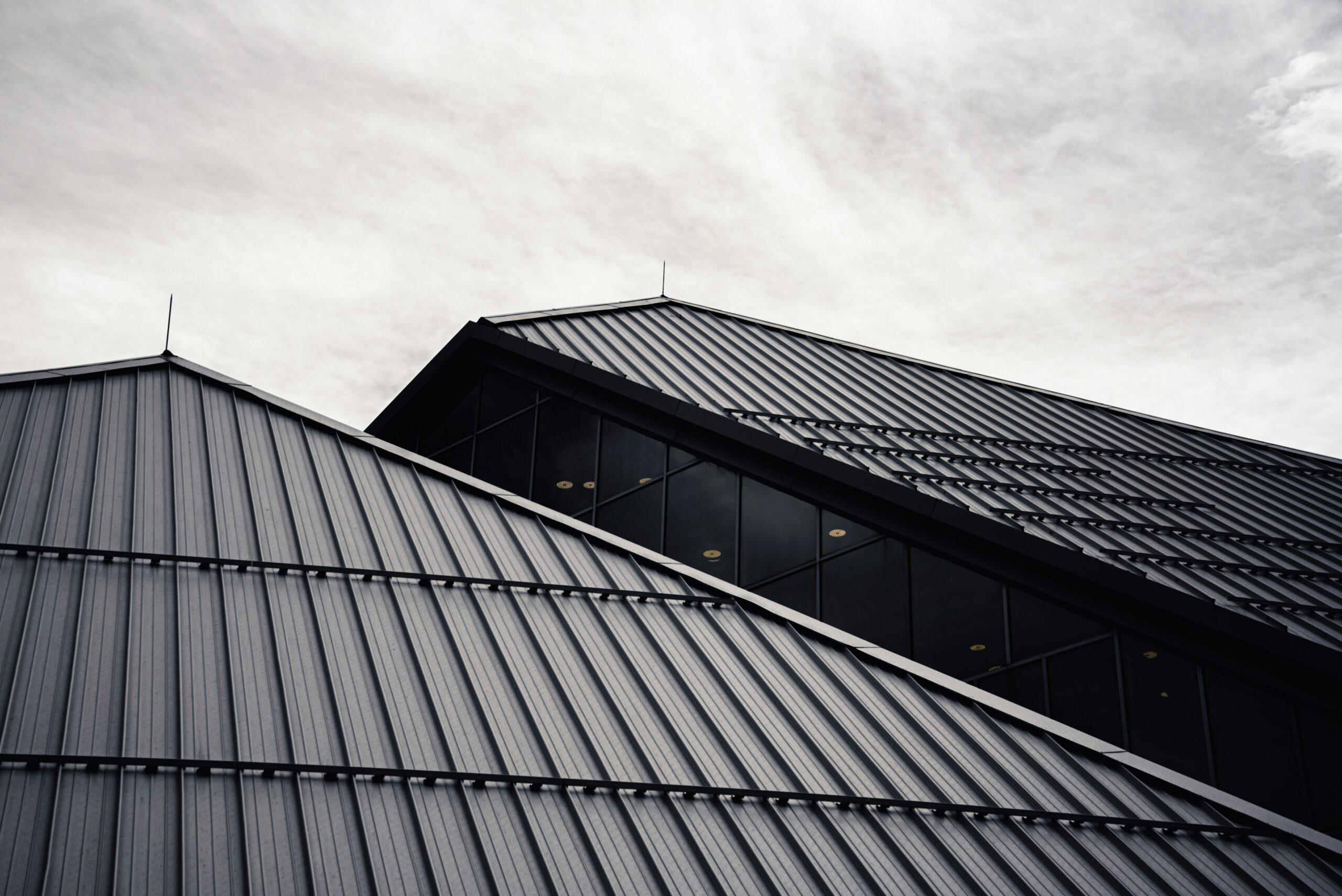
From corrugated tin roofs of the past, metal roofing has advanced significantly. You have an amazing selection of colors & styles to pick from today. Standing seam panels, which provide a sleek, contemporary appearance, are available. Alternatively, there are metal alternatives that remarkably replicate the classic looks of shingles, slate, or even wood shakes.
You can precisely match or enhance the exterior of your house thanks to the almost infinite color options. In order to improve their reflective qualities and increase energy efficiency, many of these colors have special coatings. Because of its adaptability, you can frequently improve your home’s curb appeal rather than sacrificing it for the advantages of a metal roof. Your Choice in Georgia.
When you consider the long-term advantages over the initial cost, choosing a metal roof is frequently a wise choice for homeowners in the Atlanta metro area and North Georgia. It is a compelling option because it can withstand our humidity, easily shed rain & strong winds, and save a lot of energy. You’re looking at a roof that has the potential to last decades and offer you peace of mind and security. Just keep in mind that correct installation by qualified experts is essential to reaping these advantages. When you’re ready to learn more about this option, use services like Verified Roofers to get in touch with local roofers who have been vetted, insured, and licensed.
They can give you thorough quotes, go over the different metal options, & make sure you’re making the best choice for your house and your budget given Georgia’s particular climate.
.
FAQs
What are the advantages of metal roofing?
Metal roofing is known for its durability, longevity, and resistance to harsh weather conditions. It is also lightweight, energy-efficient, and environmentally friendly as it can often be recycled.
Are there any drawbacks to metal roofing?
Some potential drawbacks of metal roofing include the initial higher cost compared to traditional roofing materials, the possibility of noise during heavy rain or hail, and the need for professional installation due to its unique characteristics.
How long does a metal roof typically last?
Metal roofs are known for their longevity, with a lifespan of 40-70 years on average. This is significantly longer than traditional asphalt shingle roofs, which typically last 15-30 years.
Is metal roofing suitable for all types of buildings?
Metal roofing can be used on a wide range of buildings, including residential homes, commercial buildings, and agricultural structures. It is versatile and comes in various styles and colors to suit different architectural designs.
Does metal roofing require a lot of maintenance?
Metal roofing is relatively low maintenance compared to other roofing materials. It is resistant to rot, mildew, and pests, and typically only requires occasional inspections and cleanings to ensure its longevity.