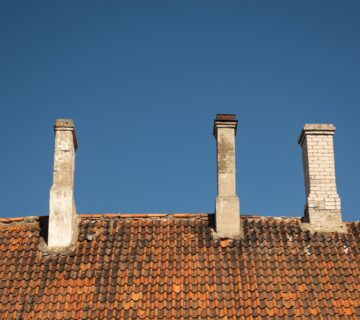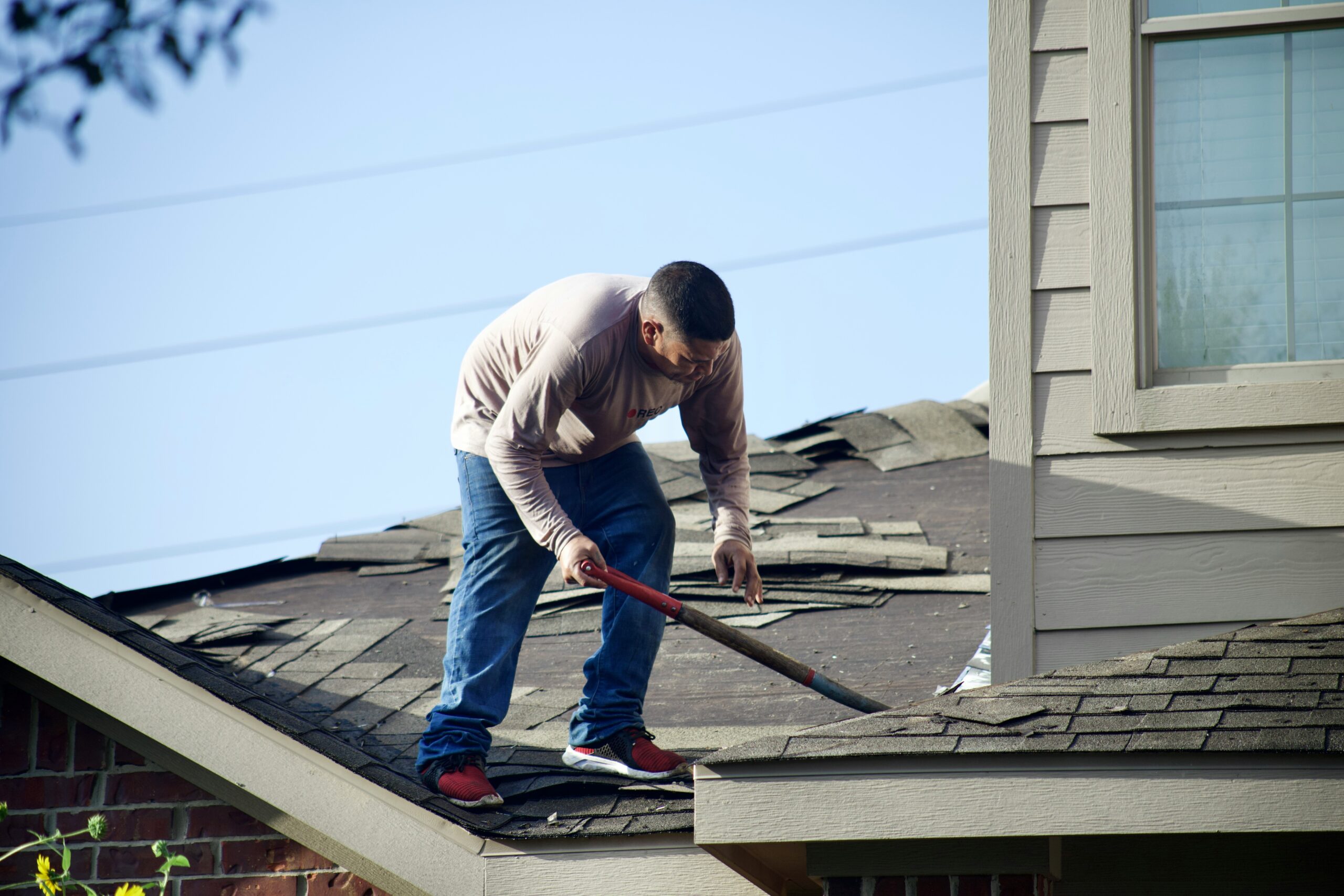
The proverb “An ounce of prevention is worth a pound of cure” is probably familiar to you. That especially applies to your roof when it comes to your Georgia residence. As a seasoned voice in the roofing sector, I have personally witnessed how ignoring early warning indicators can transform a small annoyance into an expensive catastrophe. From extreme summer humidity and sporadic thunderstorms to more dangerous hazards like hail, your roof serves as your home’s first line of defense against everything our lovely but occasionally difficult Georgia climate throws at it.
We encounter distinct weather patterns in the Atlanta metro area and throughout North Georgia, which may cause stress on your roof. High humidity can encourage the growth of mold, & your roofing materials may be compromised by unexpected, heavy downpours or even hail. Ignoring the faint signs of trouble can result in serious water damage, structural problems, & a large financial loss.
When dealing with roof leaks, it’s crucial to be aware of the warning signs that indicate potential issues. For a comprehensive guide on identifying these signs and understanding when to seek professional help, you can refer to this informative article on roof leak repair: Roof Leak Repair Warning Signs. Being proactive about these indicators can save you from costly repairs and ensure the longevity of your roofing system.
Because of this, it’s critical to recognize the warning indicators of a roof leak. Being proactive & safeguarding your most valuable asset are more important than being unduly nervous. The purpose of this guide is to equip you with the knowledge necessary to identify these problems early on & take action before they worsen.
Consider this to be your indispensable checklist, provided by an expert in maintaining dry and safe homes. The appearance of water stains or discoloration on your interior walls and ceilings is perhaps the most frequent—and frequently the first—sign that something isn’t quite right with your roof. These are a clear call for assistance from your home, not just unsightly imperfections. These usually appear as brown, yellow, or even dark, nearly black patches. They frequently show up in the most unlikely locations, such as near light fixtures, along the edge of a wall, or in the middle of a ceiling.
Recognizing the Visual Cues. It’s crucial to recognize the meaning of these stains. They are proof that water has penetrated your drywall, insulation, and roof deck. The stain’s color can provide information about the leak’s duration and potential cause. New Leaks vs.
When it comes to maintaining the integrity of your home, being aware of roof leak repair warning signs is crucial. Homeowners should regularly inspect their roofs for any indications of damage, such as water stains on ceilings or walls, mold growth, or missing shingles. For a more comprehensive understanding of what to look for, you can refer to this informative article on roofing services in Greensboro. By staying vigilant and addressing these issues promptly, you can prevent more extensive damage and costly repairs down the line. For more details, check out this resource.
| Warning Signs | Description |
|---|---|
| Water Stains on Ceiling | Yellow or brown stains on the ceiling could indicate a roof leak. |
| Dripping Water | If you notice water dripping from the ceiling, it’s a clear sign of a roof leak. |
| Mold or Mildew | Presence of mold or mildew on the walls or ceiling could be a result of a roof leak. |
| Sagging Ceiling | A sagging ceiling could indicate water damage from a roof leak. |
| Missing or Damaged Shingles | Missing or damaged shingles can lead to water seeping into the roof. |
Ancient leaks. A light yellow or tan stain may indicate a recent leak, which frequently happens shortly after a heavy downpour. Water can darken as it permeates deeper and interacts with materials. Deep brown or black stains may be the result of older, persistent leaks. These darker stains raise the possibility of mold growth & structural compromise because they frequently indicate that the underlying materials have been saturated for some time.
The effects of materials and humidity. Water that seeps into your attic or roof structure can linger in Georgia’s humid climate, which makes it perfect for mold & mildew to grow. Wood, insulation, & even the paper backing of drywall are among the materials in your attic that can absorb this moisture, causing discoloration & eventual deterioration.
Because of this, a minor stain can swiftly grow into a much bigger issue. Where to Find These Stains. Don’t limit your inspection to areas that are readily apparent. Even though your primary living areas are frequently visited locations, you should also exercise caution in areas that are not as often seen. Attic ceilings.
When water seeps through the roof, it usually appears in your attic first. Examine any exposed framing or the underside of the roof decking for any indications of moisture or discoloration. If you don’t routinely check your attic, a leak here might go undetected for a long time, so this is an important area to check.
Rooms on the upper level. It can affect any room on the top floor of your house. The corners of rooms, the spaces surrounding chimneys and vents, and the ceiling directly beneath your attic space should all be carefully observed. corners as well as walls.
Water can occasionally pass through structural components before reaching a wall. To identify the possible source of a stain that appears to come from the ceiling and travel down a wall, trace the stain’s path upward. Recall that these stains are your roof’s way of alerting you to a breach. By taking care of them right away, you can stop the water from seriously harming the structure & interior of your house.
In addition to visual indicators, a problem with your roof may be audible. A much more obvious and immediate sign of a roof leak is dripping water or the sudden appearance of puddles inside your house, especially after or during rainfall. This is an obvious sign that water is actively entering your house; it is no longer a subtle hint. Quick Identification of Active Leaks.
A growing puddle on your floor or furniture is frequently accompanied by the unsettling sound of dripping water, which necessitates quick attention. This indicates that the hole in your roof is large enough for water to enter your living areas & get past interior barriers. Active Dripping’s Importance. There is a high level of urgency if you hear dripping and see water pooling.
Water can cause more harm the longer it is left to collect and trickle. This can include:. Water Damage to Paint & Drywall: Even a tiny bit of water can cause paint to peel and bubble, & drywall to get wet and discolored. Damage to Flooring: While carpet can get wet and develop mold and mildew, hardwood floors are susceptible to buckling. Damage to Furniture & Personal Items: Any objects that are in direct contact with water are likely to be destroyed.
Electrical Hazards: Water dripping close to electrical fixtures or outlets presents a significant risk to public safety. The Location of the Puddle Tells You Something. Although water can travel, the puddle’s location can give an indication of the possible source of the leak. Directly Below a Ceiling Stain: This is the easiest sign to spot. Most likely, the leak is right above that location.
In an Unexpected Place: Before descending, water may pass through ductwork, joists, or rafters. This can make it more difficult to identify the original roof entry point, but it still indicates a problem above. How to Handle Puddles. In order to minimize damage, your quick action is essential. Protection and confinement. Put Buckets or Containers: To stop the water from spreading further, put buckets, towels, or other containers there right away.
Move any furniture or personal items out of the water’s path to protect valuables. Record the Leak: Take pictures or videos of the puddle, the dripping, and any related damage. This will be useful for both your roofing contractor & insurance claims.
Temporary Solutions (Use Carefully). You may think about taking short-term steps while you wait for expert assistance, but safety should always come first. Don’t Touch Electrical Sources: If the leak is close to electrical fixtures, don’t try to move them or touch anything electrical.
If it is safe to do so, turn off the electricity to that area at your breaker box. Avoid Covering the Wet Area Indoors with Tarps: Although a tarp may come to mind, it can only reroute water and cause additional issues. Use buckets to concentrate on containment.
Active drips and puddles are an obvious sign that your roof isn’t performing up to par. Now is the moment to take swift & decisive action. Sometimes the warning indicators aren’t as obvious as visible stains or dripping water.
Instead, the smell of your house may quietly notify you of an issue. A roof leak that has been quietly festering can be strongly indicated by the presence of mold, mildew, or a persistent musty odor in your attic, upper rooms, or near ceilings. Although this sign is frequently disregarded, it is crucial to identify, particularly in Georgia’s humid climate. Mold-Friendly Environmental Factors.
Mold and mildew thrive in our Georgia climate, which is marked by high humidity. The ideal damp, dark conditions for these fungi to grow are created when water from a roof leak soaks drywall, wood framing, or insulation. They only require a small amount of moisture over time. Recognizing Mildew & Mold.
From slimy, discolored areas to fuzzy green and black patches, mold & mildew can take many different shapes and hues. A powdery white or gray material is a common appearance of mildew. Where to Check for Mildew & Mold. You should exercise extra caution in places where a roof leak is likely to cause moisture to build up.
Attic Spaces: This is a great place. Check for growth on the attic’s stored goods, the underside of the roof deck, or the rafters. Here, the mold odor is frequently the strongest. Upper Rooms: Examine areas near vents, plumbing openings, and any corners where moisture may gather.
Behind Walls and Ceilings: Although you can’t see it directly, the lingering musty smell is a good indicator that it’s probably there. The Importance of Musty Smells. The most common way for homeowners to identify the presence of mold & mildew before they see it is through a musty smell. The volatile organic compounds (VOCs) that the fungi release as they grow are what cause this odor. Interpreting the Odor. Consistent Mustiness: It’s a warning sign if you detect a musty odor that doesn’t go away, particularly after rain or on humid days.
Odor Concentration: The strength of the smell can occasionally reveal the severity of the issue. A strong, pervasive smell may indicate a more serious mold infestation, while a faint smell may indicate a minor, developing problem. Effects on Health. In addition to causing structural damage, mold and mildew can have detrimental effects on your family’s health. Mold spore inhalation can cause asthma attacks, allergies, and other respiratory issues. Because of this, getting rid of the mold and addressing the moisture source are essential for good health.
How to Address Odors and Mold. If you think there might be a leak and you suspect mold or mildew. Do Not Disturb Suspected Mold: Spores may be released into the air if you touch or disturb large areas of mold. Ventilate the Area (Carefully): To increase air circulation, open windows if it’s safe to do so, but be careful not to spread spores. Call a Professional: To find the leak’s source, it’s imperative to get in touch with a certified roofing contractor.
To properly evaluate and treat any mold growth, you might also need to speak with a mold remediation specialist. The musty smell is your home’s alert system for an invisible issue. Avoid ignoring it. It indicates that conditions that are harmful to your home and your health are being created by water seeping in. From the inside to the outside, obvious damage to the roofing materials themselves is one of the most obvious signs of possible roof leaks.
The first line of defense is your gutters, flashing, and shingles. The state of these components can reveal a lot about the general health of your roof and its susceptibility to leaks. Shingles’ function in weatherproofing.
Shingles are intended to serve as the main defense against the weather. Water can easily find its way underneath when they are compromised. Shingles that are broken, cracked, or curling. Cracked Shingles: Shingles may crack due to hailstones, falling objects, or even drastic temperature changes. A crack allows water to enter directly.
Shingles that curl or cup: This is frequently brought on by aging, heat, or moisture. Shingles lose their capacity to overlap and efficiently shed water when they curl inward or upward, which leaves gaps for leaks. The most noticeable symptom is missing shingles. When a shingle is missing, the underlayment is left vulnerable to water intrusion. This is especially troublesome when Georgia rains a lot.
Granule Loss. A layer of mineral granules protects asphalt shingles from UV rays and facilitates water runoff. Excessive granule loss will be visible in your gutters or near the base of your house. A substantial amount of black grit indicates that your shingles are deteriorating and losing their ability to provide protection. The Significance of Flashing.
Flashing is the thin material, typically made of metal, that is placed in valleys where two roof planes meet as well as around roof penetrations like skylights, vents, & chimneys. Its function is to divert water away from these susceptible regions. Damaged, rusted, or loose flashing. Loose Flashing: As a result of expansion and contraction, the fasteners may become loose or the seals surrounding flashing may deteriorate. Leaks can result from loose flashing because water can get underneath or behind it. Rusted or Corroded Flashing: In moist conditions, metal flashing may rust and corrode, weakening the material or producing holes that impair its water-shedding capacity.
Cracked or Split Flashing: Aging or improperly installed flashing, especially around chimneys and vents, can develop cracks that allow water to enter directly. Flashing was installed incorrectly. If the flashing wasn’t installed properly in the first place, it’s a ticking time bomb even if it looks intact. When it comes to do-it-yourself repairs or less reliable contractors, this is a typical problem. The Water Management System, or gutters.
Your gutters are essential for keeping rainwater away from the walls & foundation of your house. Water may eventually back up under shingles or against your fascia boards due to clogged or damaged gutters, resulting in leaks. obstructed downspouts & gutters. Water is collecting on your roofline if your gutters are overflowing or if the water isn’t draining properly.
Rot and leaks may result from this extended interaction with your roofing materials. gutter damage. Water can seep into your roof system or foundation due to ineffective gutter management caused by cracked, sagging, or detached gutters. How to Handle Exterior Damage. Visual Inspection: Take regular walks around your house and glance up at the roof.
Focus on the aforementioned areas. Binoculars are useful. Quick Repair: Any obvious damage to gutters, flashing, or shingles should be fixed right away by a licensed roofing contractor. Don’t wait for a ceiling leak to show up. Professional Evaluation: A professional eye is crucial for complicated issues like flashing.
They are able to recognize issues that an inexperienced homeowner might miss. The exterior of your roof is its armor. The interior will eventually become visible if that armor is damaged.
Sagging, distorted, or uneven rooflines or ceilings are indicators that the issue is probably more serious than a surface leak. This is a more severe sign of significant moisture damage that has weakened the structural integrity of your attic framing & roof. This is an issue that needs to be handled professionally right away. Comprehending Structural Deflection.
The rafters and trusses that make up your home’s roof structure are made to support the weight of the roofing materials and endure environmental stresses. These structural elements lose their strength and rigidity when they are saturated with water for a long time. Deflection, also known as sagging, results from this. The effects of ongoing moisture.
The wood gradually deteriorates due to persistent moisture infiltration, which is frequently caused by hidden roof leaks. This weakening may show up in a number of ways. Rotting Wood: Extended exposure to moisture can lead to wood rot, which lowers the rafters’ and joists’ ability to support loads. Weakened Joists and Rafters: A loss of structural support may result from compromised wood fibers.
Increased Weight Load: Saturated insulation can significantly increase the weight of the roof structure, aggravating any preexisting weaknesses, even though it is not always the main cause of sagging. What Does a Sagging Roofline and Ceiling Mean? Once they begin to manifest, sagging’s visual cues are difficult to ignore. ceiling that droops.
A significant warning sign is a ceiling that seems to be dipping or bending downward, particularly in the middle of a space. When ceiling joists or rafters above are compromised, this is frequently the most obvious indication. Warped or uneven roof lines. When you look at your house from the outside, structural problems with the roof framing are indicated if you see that your roofline appears to be dipping in some places or is uneven when it should be straight. This is a general roofing principle, but it is especially problematic after heavy rain or snow (though snow is less of a concern in much of North Georgia).
visible distortion in the attic. A clear sign of structural compromise is if you go into your attic & notice that the rafters or trusses are clearly bent, bowed, or seem to be sagging under pressure. The structural damage’s urgency. Sagging or warping is a safety concern in addition to an esthetic one.
reduced load-bearing capacity. The sagging of your roof structure indicates that it is not able to support the intended weight. This might result in a collapse, particularly if there is additional strain from wind, rain, or even accumulated debris. The cost of repairs is rising. Repairs will grow more involved & costly the longer structural damage is ignored. What may have begun as a small leak may now need major structural reinforcement or the replacement of damaged framing members.
How to Address Warping or Sagging. Professional Inspection Right Away: Get in touch with a trustworthy roofing contractor right away if you see any indications of sagging or warping. This cannot be fixed at home. Structural Assessment: In addition to fixing roof leaks, the contractor must evaluate the degree of water damage and decide whether structural repairs are required. Put Safety First: In extreme situations, you may need to leave the damaged area of your house until expert repairs can be completed.
For the long-term security and stability of your house, it is essential to recognize these indicators. The general condition & age of your roof are important variables that contribute to possible leaks in addition to specific leak indicators. Like any part of your house, an old roof will eventually deteriorate. You can foresee possible problems before they become leaks by identifying the general indicators of wear and tear. Roofing material longevity.
The lifespans of various roofing materials vary, but they are all vulnerable to the effects of weather, time, and maintenance—or lack thereof. Shingles on asphalt. Depending on the shingle’s quality and installation, a typical asphalt shingle roof in Georgia should last between 15 and 30 years.
Longer-lasting architectural shingles are more expensive. They become more brittle & vulnerable to harm as they get older. a metal roof. Metal roofs, especially those with standing seams, can last up to 50 years.
But over time, problems with flashing, fasteners, or coatings can arise even with metal roofs. additional materials. Certain materials, such as tile roofs, cedar shakes, & architectural shingles, have different wear patterns and anticipated lifespans. indicators of an aging roof.
These are broad signs that your roof is getting close to the end of its useful life. Loss of Granules (Reexamined). Significant granule loss is a clear sign of aging asphalt shingles, as was previously mentioned. The asphalt layer is exposed to the sun’s UV rays when the granules are gone, which causes early deterioration. brittle or fractured shingles.
Shingles get brittle and dry as they age. They become less flexible, increasing the likelihood that they will break when subjected to stress from hail, wind, or even walking on the roof. Algae growth or moss. Excessive moss or algae growth on your roof, particularly in shaded areas that are common in North Georgia, can trap moisture even though it is not a direct cause of leaks.
Over time, this moisture can deteriorate shingles and possibly find its way underneath, particularly if the growth is substantial and ongoing. Areas that sag (due to wear and age). We talked about sagging as an indication of structural damage from a leak, but even in the absence of a clear, active leak, an older roof may begin to sag slightly over time due to the natural deterioration of the materials & underlying sheathing. The significance of routine upkeep.
To prolong the life of your roof and identify small problems before they become serious ones, regular, expert roof maintenance is essential. Expert assessments. Every few years, & especially following extreme weather events like hailstorms or strong winds, it is extremely beneficial to have your roof inspected by a qualified professional.
They are able to identify minor wear indicators that you might overlook. Maintaining and cleaning gutters. Gutter cleaning on a regular basis guaranties appropriate water flow.
Water cannot back up & possibly seep into your fascia or under shingles if they are kept clear of debris. Fast repairs. A few loose shingles or a small loss of granules are examples of minor problems that should be avoided. By promptly addressing these minor issues, leaks that cause more serious harm can be avoided.
When to Think About Replacing. It may be time to think about replacing your roof completely if it is nearing or surpassing its anticipated lifespan and you are observing numerous indications of wear and tear. When a major leak occurs, proactive replacement is frequently less expensive and stressful than emergency repairs. Verified Roofers can put you in touch with local roofing contractors in the Atlanta metro area and North Georgia who are licensed, insured, and vetted. These contractors can offer comprehensive roof inspections and professional maintenance or replacement advice. They are aware of the particular difficulties your roof faces as well as the climate in our area.
You can safeguard your house from the catastrophic consequences of roof leaks by being aware of these warning indicators. Your best bet for keeping your house dry, secure, & sound for many years to come is early detection and quick action.
.
FAQs
What are the warning signs of a roof leak?
Some warning signs of a roof leak include water stains on the ceiling, peeling paint or wallpaper, mold or mildew growth, and visible water damage in the attic.
How can I identify the source of a roof leak?
Identifying the source of a roof leak can be challenging, but some common areas to check include the roof shingles, flashing around chimneys and vents, and the seals around skylights.
When should I consider professional roof leak repair?
It is advisable to consider professional roof leak repair if the source of the leak is not easily identifiable, if the damage is extensive, or if the roof is steep or difficult to access.
What are the potential consequences of ignoring a roof leak?
Ignoring a roof leak can lead to further water damage, mold growth, structural damage, and even potential health hazards from mold and mildew.
How can I prevent roof leaks in the future?
To prevent roof leaks in the future, it is important to schedule regular roof inspections, maintain the roof and its components, and address any issues promptly to prevent them from escalating.