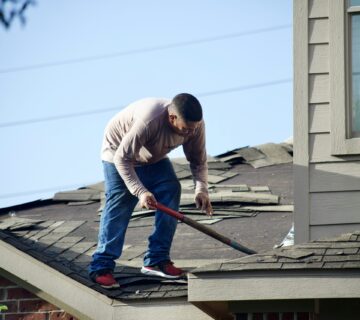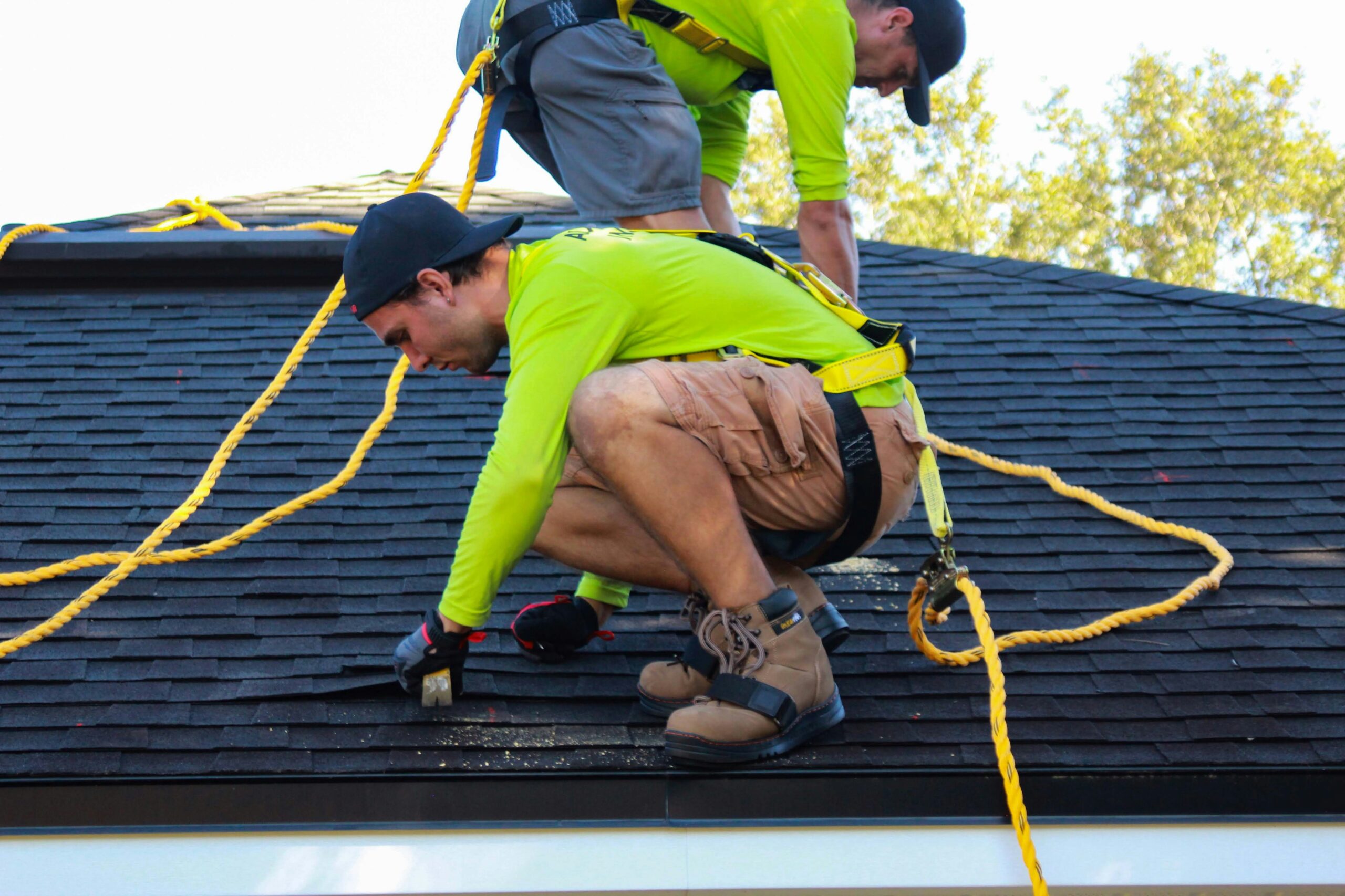
Your roof is more than just a barrier against the elements; it’s a critical component of your home’s structural integrity and energy efficiency. Here in the Atlanta metro and North Georgia, you’re dealing with a unique blend of challenges – from intense summer sun and driving rain to the occasional hail event and relentless humidity. Neglecting your roof is a recipe for disaster, leading to costly repairs, potential water damage, and decreased curb appeal. But don’t worry, maintaining your roof doesn’t have to be an overwhelming task. With a little proactive attention, you can keep your Georgia home protected for years to come. This guide will equip you with the essential knowledge to tackle roof maintenance like a pro, ensuring your investment stays sound and secure.
As a homeowner in Atlanta or North Georgia, your roof is subjected to a specific set of environmental stressors that can accelerate wear and tear. Understanding these vulnerabilities is the first step in effective maintenance. Our climate isn’t forgiving, and a proactive approach will save you significant headaches down the line.
The Relentless Sun and Heat
The Georgia sun, especially during our long, hot summers, is a formidable force. Ultraviolet (UV) rays can degrade asphalt shingles over time, causing them to become brittle and lose their protective granules. This can lead to premature cracking and curling. The intense heat also causes expansion and contraction cycles in roofing materials, which can stress seams and fasteners. Think of it like repeatedly bending a piece of plastic – eventually, it will break. Your roof experiences this daily, amplified by the heat absorbed from the sun. This degradation makes your shingles more susceptible to damage from other elements, like wind and hail.
The Impact of Humidity and Moisture
Humidity is a constant companion in Georgia. While it might feel pleasant in the spring and fall, prolonged exposure to high moisture levels can have detrimental effects on your roof. Trapped moisture, especially under shingles or in attic spaces, can lead to:
- Mold and Mildew Growth: These fungi thrive in damp environments and can compromise the structural integrity of your roofing materials and the underlying wood. You might see dark, unsightly patches on your shingles or sheathing, and in more severe cases, a musty odor emanating from your attic.
- Rotting Wood: The wood decking beneath your shingles is particularly vulnerable to rot when consistently exposed to moisture. Soft spots and delamination of the wood are signs of advanced rot, which can eventually lead to complete structural failure.
- Ice Dams (though less common in Atlanta proper, more so in North Georgia’s higher elevations): While not a daily concern for many in the metro area, higher elevations in North Georgia can experience freezing temperatures. When snow melts and refreezes at the eaves, it can form ice dams. These dams prevent melting snow from draining properly, forcing water back up under your shingles and into your home. This can cause significant interior water damage.
Hail: A Frequent and Damaging Threat
Hailstorms are an unfortunately common occurrence in Georgia. Large hailstones can cause significant damage to your roof, even if the impact isn’t immediately obvious. The force of hail can:
- Bruise Shingles: Hailstones can literally bruise the asphalt layer of your shingles, exposing the fiberglass mat underneath. This creates a weakened area that is more prone to granule loss and eventual cracking. You might not see a visible hole, but the shingle’s integrity is compromised.
- Dislodge Granules: The protective granules on your shingles are like tiny shields, absorbing UV rays and providing fire resistance. Hail can knock these granules loose, leaving bare spots on your shingles that are easily identifiable by looking for accumulations of granular debris in your gutters. This exposes the asphalt layer to the elements, accelerating degradation.
- Damage Other Roofing Components: Beyond shingles, hail can also damage flashing around chimneys and vents, as well as gutters and downspouts.
Wind: The Unseen Saboteur
Georgia’s weather patterns can also bring strong winds, which can wreak havoc on your roof, especially during thunderstorms and tropical systems. Wind can:
- Lift and Tear Shingles: Loose or damaged shingles are particularly vulnerable to being lifted and torn off by strong gusts. This creates immediate entry points for water. You might notice missing shingles after a storm, but even partially lifted shingles are a serious concern.
- Damage Flashing: Wind can pry away metal flashing that seals vulnerable areas like valleys, chimneys, and vent pipes. This allows water to seep in where it shouldn’t.
- Carry Debris: Wind can pick up branches, leaves, and other debris, which can then slam into your roof, causing impact damage similar to hail.
For homeowners looking to ensure the longevity of their roofs, understanding proper maintenance techniques is essential. A great resource for this is the article on Florida roofing contractors, which provides valuable insights into professional services that can assist with roof upkeep. You can read more about it here: Florida Roofing Contractors. This article not only highlights the importance of regular inspections but also offers tips on how to choose the right contractor for your roofing needs.
Regular Roof Inspections: Your First Line of Defense
Think of roof inspections as your home’s regular check-ups. Just like you visit your doctor for preventative care, your roof needs routine examinations to catch potential problems before they escalate into expensive repairs. In Georgia, with its unique climate challenges, these inspections are not optional; they’re essential.
DIY Roof Inspections: What to Look For
While a professional inspection is always recommended, there are things you can do yourself to keep an eye on your roof’s condition. Don’t venture onto your roof if you’re not comfortable or if it’s wet or icy. A safe vantage point from the ground with binoculars can reveal a lot.
Looking Up from the Ground
- Shingle Condition: Scan your roof for any signs of damage. Look for shingles that are curling at the edges, buckling upwards, or appear cracked. Missing shingles are an obvious red flag. Also, check for areas where the protective granules seem to be missing, leaving behind bare, black spots. This is especially noticeable after a hailstorm or strong winds.
- Granule Accumulation in Gutters: This is a critical indicator that your shingles are shedding their protective layer. If you see a significant amount of black grit in your gutters, it suggests your shingles are aging and losing their effectiveness.
- Flashing Integrity: Pay close attention to the metal flashing around chimneys, vents, skylights, and in the valleys of your roof. Look for any signs of rust, corrosion, lifting, or gaps. Damaged flashing is a common entry point for water.
- Sagging or Uneven Areas: Your roof should have a relatively flat or gently sloped appearance. If you notice any areas that appear to be sagging or dipping, this could indicate structural issues with the underlying decking due to water damage or stress.
- Debris Accumulation: Excessive buildup of leaves, branches, and other debris can trap moisture against your shingles, accelerating their decay and promoting mold and mildew growth. It can also clog gutters, leading to water overflow.
Inside Your Attic
If you have attic access, this is a crucial place to check for signs of roof trouble.
- Water Stains or Drips: Look for any dark stains on the underside of your roof decking or on the attic floor. Water stains are a clear indication of a leak. Even small, intermittent drips can lead to significant rot and mold over time.
- Mold or Mildew: Damp, poorly ventilated attics are prime breeding grounds for mold and mildew. If you see fuzzy or discolored patches on the wood or insulation, it’s a sign of moisture intrusion, likely from your roof.
- Adequate Ventilation: Proper attic ventilation is crucial for preventing moisture buildup. Ensure your soffit vents and ridge vents are not blocked by insulation or debris. Poor ventilation can trap heat and moisture, exacerbating roof issues.
Professional Roof Inspections: When and Why
While DIY checks are valuable, nothing replaces the expertise of a qualified roofing professional. They have the specialized knowledge and tools to identify subtle issues that an untrained eye might miss.
- Frequency: You should aim for at least one professional roof inspection annually, ideally in the spring or fall. This allows for assessment before the peak stress periods of summer heat or winter cold. After any significant weather event – a major hailstorm, high winds, or a prolonged period of heavy rain – it’s wise to schedule an inspection.
- What Professionals Look For: Beyond the visible signs, roofing experts will examine:
- Underlying Decking: They can identify areas of rot or weakness in the wood sheathing.
- Fastener Integrity: They’ll check if nails or screws are still properly seated and not loosening.
- Sealant Condition: They’ll assess the condition of sealants around flashing and other penetrations, which can degrade over time.
- Ventilation System Performance: They’ll ensure your attic ventilation is functioning effectively.
- Shingle Life Expectancy: Based on the type of shingle, age, and condition, they can provide an educated estimate of its remaining lifespan.
When you’re looking for a professional, it’s important to work with licensed, insured, and vetted local roofing contractors. Companies like Verified Roofers can connect you with such professionals in your area, giving you peace of mind.
Gutter and Downspout Maintenance: Keeping Water Moving Away

Your gutters and downspouts are unsung heroes of your roofing system. Their sole purpose is to channel rainwater away from your foundation and walls. If they become clogged or damaged, the water they’re supposed to manage can start to work its way into your home. This is particularly important in Georgia, where we experience intense downpours.
Clearing Clogs: A Frequent Necessity
Leaves, twigs, shingle granules, and even small nests can quickly clog your gutters. This buildup prevents water from flowing freely.
- How Often: Depending on the number of trees around your home, you might need to clear your gutters as often as twice a year. Fall is critical after leaves have dropped, and spring can be necessary to remove winter debris and emerging plant growth. If you notice water overflowing from your gutters during a rainstorm, it’s a clear sign they need immediate attention.
- DIY Cleaning: If you’re comfortable working on a ladder (ensure it’s placed on stable ground and at the correct angle), you can carefully scoop out debris with a trowel or specialized gutter scoop. Always wear sturdy gloves. It’s a good idea to have someone spot you on the ladder for safety.
- Considerations for High Roofs: For homes with high or steeply pitched roofs, consider hiring a professional. The risk of falls is significantly higher, and they have the equipment to handle these situations safely.
Downspout Blockages
Don’t forget the downspouts themselves! Clogs can occur here too, especially where the downspout connects to the elbow or where it exits near the ground.
- Flushing with a Hose: After clearing the gutters, use a garden hose to flush water down the downspouts. If the water backs up or doesn’t flow freely at the exit, there’s a blockage.
- Using a Plumber’s Snake: For stubborn clogs, a plumber’s snake can be a lifesaver. You can feed it down the downspout to break up or pull out the obstruction.
- Downspout Extensions: Ensure your downspouts are directing water at least several feet away from your foundation. Improper drainage around your foundation can lead to water damage, cracks in the foundation walls, and basement flooding – issues that are far more expensive to fix than a clogged downspout.
Gutter Guard Systems
If you have a lot of trees or find yourself constantly dealing with clogged gutters, a gutter guard system might be a worthwhile investment. These systems are designed to keep debris out while allowing water to flow through.
- Types: There are various types, from mesh screens to solid covers with precisely engineered openings.
- Effectiveness: While they reduce the frequency of cleaning, they are not entirely maintenance-free. Some can still get clogged with fine debris or shingle grit, and they may need periodic inspection and cleaning themselves.
Tree Trimming: Protecting Your Roof from Overhanging Branches

Trees are beautiful, but when their branches hang too close to your roof, they become a significant threat. Proactive tree trimming is a crucial, often overlooked, aspect of roof maintenance.
The Dangers of Overhanging Branches
- Physical Damage: Falling branches, especially during windstorms or ice storms, can cause direct impact damage to your shingles, flashing, and gutters. Even small twigs can accumulate and create moisture traps.
- Friction and Abrasion: In windy conditions, overhanging branches can rub against your roof, abrading shingles and wearing away their protective granules. Over time, this friction can lead to bare spots and premature aging of the shingles.
- Debris Accumulation: Leaves, pine needles, and other organic matter from overhanging trees will inevitably find their way onto your roof. This debris can trap moisture, foster mold and mildew growth, and clog gutters and downspouts.
- Root Damage: While less direct, tree roots can sometimes undermine the foundation of your home, indirectly impacting the stability of your entire structure, including your roof.
When to Trim
- Regular Assessment: It’s wise to assess your trees annually, especially after a significant storm. Look for branches that are touching or are within a few feet of your roofline.
- Seasonal Considerations: Fall is a prime time to trim trees before they shed their leaves, but also to remove any dead or weak branches that might break under the weight of winter snow or ice. Spring trimming can help manage new growth.
- Professional Arborists: For larger trees or branches that are difficult or dangerous to access, always hire a qualified and insured arborist. They have the expertise to trim trees correctly, minimizing stress on the tree and ensuring safety. Improper trimming can actually harm the tree, leading to decay and making it more susceptible to disease and breakage.
What to Trim
Focus on branches that are:
- Touching your roof.
- Within a few feet of your roof, with the potential to grow into it.
- Dead, diseased, or damaged.
- Growing directly over or towards your house in a way that creates a risk.
Think of it as creating a buffer zone. Aim for a good several feet of clearance between your roof and the nearest branches.
Proper roof maintenance is essential for extending the lifespan of your roof and preventing costly repairs. Regular inspections, cleaning gutters, and addressing minor issues promptly can make a significant difference. For more detailed insights on maintaining your roof effectively, you can check out this informative article on roof maintenance tips. By following these guidelines, homeowners can ensure their roofs remain in optimal condition throughout the year.
Attic Ventilation: The Unsung Hero of Roof Longevity
| Roof Maintenance Tips |
|---|
| 1. Inspect your roof regularly for any signs of damage or wear. |
| 2. Keep gutters and downspouts clear of debris to prevent water buildup. |
| 3. Trim overhanging tree branches to prevent damage from falling limbs. |
| 4. Check for loose or missing shingles and replace them promptly. |
| 5. Ensure proper attic ventilation to prevent moisture buildup. |
| 6. Schedule professional roof inspections and maintenance at least once a year. |
While you can see and touch your shingles, gutters, and flashing, your attic’s ventilation system works behind the scenes, playing a vital role in your roof’s health and your home’s comfort. Proper attic ventilation is crucial in Georgia’s humid climate to prevent moisture buildup and regulate temperature.
The Role of Attic Ventilation
Your attic space acts as a buffer between the living areas of your home and the exterior elements. Without adequate ventilation, hot, humid air can become trapped in your attic. This can lead to a cascade of problems:
- Moisture Buildup: In humid Georgia summers, warm, moist air from your living space rises into the attic. When this air comes into contact with the cooler roof deck, it can condense, creating moisture. In winter, even with insulation, temperature differences can lead to condensation. This moisture can:
- Promote mold and mildew growth on the underside of your roof decking and in insulation.
- Lead to the premature rotting of your roof’s wooden structure.
- Degrade insulation, reducing its effectiveness and increasing your energy bills.
- Heat Buildup: In the summer, a poorly ventilated attic can become incredibly hot, essentially turning your attic into an oven. This heat radiates down into your living space, forcing your air conditioning system to work harder and increasing your energy consumption. It can also accelerate the degradation of your roofing materials.
- Ice Dams (North Georgia): As mentioned, in colder North Georgia regions, poor ventilation can contribute to ice dam formation. Warm air escaping into the attic can melt snow on the roof, which then refreezes at the eaves, creating damaging ice dams.
Types of Attic Ventilation
A balanced attic ventilation system typically involves a combination of intake and exhaust vents:
- Intake Vents (Soffit Vents): These are usually located under the eaves (soffits) of your roof. They allow fresh, cooler air to enter the attic. It’s crucial that these are not blocked by insulation or debris.
- Exhaust Vents (Ridge Vents, Gable Vents, Turbine Vents): These vents allow hot, moist air to escape the attic.
- Ridge Vents: These run along the peak of your roof and are highly effective at exhausting warm air. They are often paired with soffit vents to create a natural airflow.
- Gable Vents: These are typically square or rectangular vents installed in the gable end of a house.
- Turbine Vents (Whirlybirds): These rotating vents are powered by the wind and can be effective, but their airflow can be inconsistent.
Ensuring Proper Ventilation
- Regular Checks: Periodically inspect your attic for signs of inadequate ventilation, such as mold, damp insulation, or excessive heat. Check that your soffit vents are clear of obstructions.
- Professional Assessment: If you suspect ventilation issues, consult a qualified roofing contractor. They can assess your current system, identify any problems, and recommend solutions, which might involve adding more vents, clearing obstructions, or upgrading to a more efficient system.
- Balanced System: The key is a balanced system where intake and exhaust vents work together to create a continuous airflow. A professional can help ensure the proper ratio of intake to exhaust ventilation for your specific home.
Addressing Minor Issues Promptly: The “Little Things” Matter
The most significant difference between a homeowner who faces constant, expensive roof repairs and one who enjoys long-term peace of mind often comes down to how they handle minor issues. Ignoring small problems is like ignoring a small cut that becomes infected – it’s far easier and less painful to address it early.
Prompt Repair of Damaged Shingles
As discussed, shingles can crack, curl, or even blow off due to wind or hail. Even a single damaged shingle can compromise the integrity of the surrounding shingles and allow water to penetrate.
- Don’t Wait: If you notice a damaged or missing shingle during a DIY inspection, don’t put off calling a professional. The cost of replacing a few shingles is minuscule compared to the potential damage from water intrusion, such as rot in your roof decking or mold growth in your attic and walls.
- Matching Shingles: When replacing shingles, it’s important to match the type, color, and age as closely as possible to maintain the roof’s aesthetic and ensure proper performance. A reputable contractor will know how to source these or advise on the best approach.
Sealing Small Gaps and Cracks
Over time, the sealants used around flashing, vent pipes, and other roof penetrations can degrade, crack, or shrink. These small gaps are prime entry points for water.
- Visible Deterioration: Inspect these areas during your regular roof checks. Look for dried, cracked caulk or sealant. You might see small amounts of moisture or staining around these areas.
- Professional Application: While some homeowners might attempt minor sealing, it’s best to have a qualified roofer handle this. They use specialized roofing sealants that are designed to withstand UV exposure, temperature fluctuations, and the movement of roofing materials. Improperly applied sealant can actually trap moisture or fail prematurely.
Dealing with Moss and Algae Growth
In Georgia’s humid climate, moss and algae can sometimes grow on roofing materials, particularly on shaded or north-facing slopes. While aesthetically unappealing, excessive growth can also be detrimental.
- Moisture Retention: Moss, in particular, can hold a surprising amount of moisture against your shingles, accelerating their degradation and potentially leading to rot.
- Gentle Cleaning: If you notice minor growth, it can often be gently cleaned. Specialized roofing cleaners are available, or a mild solution of water and bleach (used carefully and according to product instructions) can be effective. Crucially, avoid high-pressure washing, as this can strip granules from shingles and cause significant damage. Always rinse thoroughly.
- Preventative Measures: Ensuring proper attic ventilation and trimming overhanging branches can help reduce the conditions that encourage moss and algae growth. Some shingles also come with algae-resistant treatments.
By staying vigilant and addressing these “little things” promptly, you significantly extend the lifespan of your roof and prevent minor inconveniences from snowballing into major, expensive problems. When you need to find a trusted professional for these repairs, remember that Verified Roofers can help you connect with licensed, insured, and vetted local roofing contractors in the Atlanta metro and North Georgia areas.
Find a Verified Roofing Contractor Near You
FAQs
What are some common roof maintenance tips?
Some common roof maintenance tips include regularly inspecting the roof for damage, cleaning gutters and downspouts, trimming overhanging tree branches, and checking for signs of water damage or leaks.
How often should I inspect my roof for maintenance?
It is recommended to inspect your roof at least twice a year, typically in the spring and fall. Additionally, it’s important to inspect the roof after severe weather events such as heavy rain, wind, or snow.
What are some signs that my roof may need maintenance or repair?
Signs that your roof may need maintenance or repair include missing or damaged shingles, sagging areas, water stains on the ceiling, clogged gutters, and visible signs of mold or mildew.
Why is it important to maintain my roof?
Regular roof maintenance is important to prevent costly repairs and extend the lifespan of your roof. It also helps to identify and address any issues before they escalate into larger problems.
Can I perform roof maintenance myself or should I hire a professional?
While some basic roof maintenance tasks can be performed by homeowners, such as cleaning gutters and visually inspecting the roof, it is often recommended to hire a professional for more extensive maintenance and repairs to ensure safety and proper handling of the job.