As an Atlanta homeowner, you understand that your roof isn’t just a pretty facade; it’s your primary defense against Georgia’s unpredictable weather. From sweltering summer humidity to sudden, violent hailstorms, your roof takes a beating. That’s why a regular, thorough inspection isn’t a luxury – it’s a critical investment in your home’s safety and your peace of mind. You don’t want to wait for that telltale brown spot on your ceiling or a rogue drip during a downpour to realize you have a problem. Proactive maintenance is always cheaper than emergency repairs, especially when dealing with the potential for costly interior damage.
This isn’t about scaring you; it’s about empowering you with real knowledge. You’ll learn what to look for, why it matters, and when to call in the professionals. We’ll delve into the specifics, using language that makes sense whether you’re climbing up there yourself (with proper safety precautions, of course!) or simply conducting an inspection from the ground. Remember, for anything beyond basic visual checks, or if you suspect significant damage, contacting a licensed, insured, and vetted local roofing contractor through Verified Roofers is always your safest and smartest move.
Before you even think about getting on a ladder, there’s a lot you can assess from the safety of the ground and from within your home. These initial checks can often reveal early warning signs of problems, saving you time and potential peril on the roof itself.
The Ground-Level Walk-Around: Your First Line of Defense
You’d be surprised what a keen eye can spot from the comfort of your driveway or lawn. Take a slow, deliberate walk around your entire home, paying close attention to these details:
- Missing, Cracked, or Curled Shingles: Look for anything out of place. Are there any shingles lying in your yard? Do any on the roof appear dislodged, broken, or lifted at the edges? In North Georgia, high winds are common, and these can easily peel back or snap shingles, especially along ridge lines and eaves. Curling is often a sign of age or improper ventilation.
- Granule Loss: If you have asphalt shingles, look in your gutters or around your downspouts for excessive amounts of gritty shingle granules. A small amount is normal over a roof’s lifespan, but a significant accumulation indicates that your shingles are deteriorating and losing their protective stone coating – making them vulnerable to UV rays and water. This is particularly prevalent in our intense Georgia summers.
- Sagging or Uneven Roof Lines: Step back and observe your roofline against the sky. Does it look straight and even, or are there any noticeable dips, waves, or sags? This could be an indicator of structural issues, rotted decking, or even compromised truss systems beneath the surface – a serious problem requiring immediate professional assessment.
- Flashing Issues Around Chimneys, Vents, and Skylights: These are critical transition points where water often finds its way in. Look for bent, rusted, or missing flashing. Also, check the sealant around these areas. Is it cracked, peeling, or completely gone? In Georgia’s humid climate, failing sealant around flashing is a primary entry point for water, leading to rot and interior damage.
- Gutters and Downspouts: Are they clogged with leaves, shingle granules, or debris? Clogged gutters prevent proper drainage, causing water to back up, potentially seep under your fascia, and rot the eaves. Ensure downspouts direct water well away from your foundation. Puddles near your foundation lead to basement leaks and foundation problems – an even costlier repair than a roof.
- Overhanging Tree Branches: Are there any branches touching or hanging directly over your roof? These can scrape shingles, drop debris that clogs gutters, and easily become projectiles during a thunderstorm, causing significant damage. Trim them back, ideally at least 10 feet.
The Attic Expedition: Clues from Above
With a flashlight in hand, venture into your attic. This provides a unique perspective – from underneath your roof deck – and can reveal problems before they become visible within your living space.
- Water Stains or Streaks: Look for any discoloration on the underside of the roof decking, rafters, or insulation. Even faint yellow or brown stains indicate past or present water intrusion. Trace them upwards if possible.
- Mold or Mildew Growth: The humid Atlanta climate makes attics especially susceptible to mold if there’s any moisture intrusion or inadequate ventilation. Black or green fuzzy patches are a clear sign of a problem and pose health risks.
- Daylight Peeking Through: While your instinct might be to look for obvious holes, even tiny pinpricks of light indicate gaps in your roof components. These small openings are big enough for water and pests to enter.
- Damp or Compressed Insulation: Insulation that feels damp or is matted down isn’t performing its job efficiently and suggests a moisture problem. If it’s constantly wet, it’s a breeding ground for mold and can harbor pests.
- Musty Odors: A persistent musty smell in your attic is a strong indicator of moisture or mold issues, even if you can’t visually locate them immediately.
For homeowners looking to ensure the longevity and safety of their roofs, a comprehensive roof inspection checklist is essential. This checklist can guide you through the critical areas to assess, from shingles to gutters. To further enhance your understanding of roof maintenance and the importance of regular inspections, you may find this related article on roof care practices helpful. For more information, visit this article.
Getting Up Close (Safely!): Roof Surface Inspection
This is where you gain a true understanding of your roof’s condition. If you’re comfortable and have the proper safety equipment (a sturdy ladder, non-slip shoes, and ideally a spotter), you can perform visual checks. However, if heights make you uneasy, or if your roof has a steep pitch, serious damage, or is particularly high, this is precisely when you should leverage the expertise of a professional roofing contractor found through Verified Roofers. They have the specialized training and equipment to assess these areas safely and accurately.
Shingle-Specific Checks: Beyond the Obvious
Different shingle types reveal different clues about their health.
- Asphalt Shingles: Beyond missing or cracked, inspect for “bald” spots where granules have worn off, exposing the asphalt mat underneath. Look for severe curling or cupping, where the edges lift or the center warps downwards. Also, check for blistering – small bubbles on the shingle surface – which indicates moisture trapped during manufacturing or from excessive heat. Hail damage, common in North Georgia, often manifests as random, circular bruises where granules are stripped away. You also want to look for “soft spots” in the decking under the shingles, which could indicate rot.
- Metal Roofs: While incredibly durable, metal roofs aren’t infallible. Look for loose or missing fasteners, which can lead to leaks and panel uplift in high winds. Check seams for separation or sealant failure. Rust is a significant concern; even small spots can spread if not addressed. Dents from hail or fallen debris should be assessed, as they can compromise the protective coating or structural integrity.
- Wood Shakes/Shingles: These naturally weather and change color. Look for excessive splitting, curling, or rot. Moss and algae growth need to be managed, as they retain moisture and can accelerate deterioration. Pay attention to fasteners; loose ones can cause shakes to lift and allow water penetration.
Flashing and Penetrations: The Vulnerable Spots
These are the areas most prone to leaks, regardless of your roof material.
- Chimney Flashing: Crucial for preventing water intrusion, chimney flashing usually involves several layers (step flashing, counter flashing, and apron flashing). Inspect for any separation, rust, deteriorated sealant, or cracks in the mortar where flashing meets the chimney.
- Vent Pipes (Plumbing Vents): The rubber boot around these pipes, called a “boot flashing,” often degrades due to UV exposure long before the shingles do. Check for cracks, tears, or complete deterioration of this rubber.
- Skylights: Just like chimneys, skylights have flashing that needs meticulous attention. Look for cracks in the glass or frame, deteriorated sealant around the edges, and clogged weep holes designed to drain condensation.
- Valleys: These are the V-shaped channels where two roof planes meet. They carry a heavy volume of water, making them highly susceptible to issues. Look for cracked, displaced, or missing shingles in open valleys, or sagging/pooling water in closed valleys. Any blockages from debris are a critical concern.
When considering a roof inspection checklist, it’s essential to understand the broader context of roofing services available in your area. For instance, you might find it helpful to explore the comprehensive guide on roofing contractors in Wake Forest, which provides insights into local professionals who can assist with inspections and repairs. You can read more about this topic in the article linked here: roofing contractors in Wake Forest. This resource can enhance your understanding of what to look for during an inspection and how to choose the right contractor for your needs.
Attic Ventilation: An Unsung Hero
Proper attic ventilation is crucial for your roof’s longevity and your home’s energy efficiency, especially in Atlanta’s climate.
- Soffit and Ridge Vents: Ensure these vents are clear of obstructions like insulation, paint, or debris. Soffit vents allow cool air in, and ridge vents allow hot, moist air out. If either is blocked, your attic will trap heat and moisture, leading to premature shingle aging, higher energy bills, and potential mold growth.
- Gable Vents: If your home has gable vents, ensure they are intact and free of insect nests or blockages.
- Powered Vents/Fans: If you have an electric attic fan, ensure it’s functioning properly. Listen for it, or check the thermostat control. A failing fan contributes to poor ventilation.
Post-Storm Assessment: Don’t Wait for the Sun to Come Out

Georgia is notorious for its severe weather. After a significant storm – especially one involving high winds, heavy rain, or hail – your immediate and thorough inspection is paramount. Don’t assume your roof is fine just because you don’t see water pouring in.
The Hailstorm Aftermath: Inspecting for Impact Damage
Hail damage isn’t always immediately obvious, but it can severely compromise the lifespan of your roof.
- Asphalt Shingle Bruising: Small, localized indentations where granules are dislodged, leaving behind a smooth, shiny black spot of asphalt, are classic hail damage signatures. These often aren’t visible from the ground. Feel for soft spots.
- Metal Roof Dents: Visible dents or pockmarks, which can damage the protective coating and lead to rust over time.
- Gutter and Downspout Damage: Look for dents or dings in the metal. If your gutters are damaged, there’s a strong likelihood your roof also sustained hail impact.
- Deck, Siding, and Fence Damage: If you see impact marks on other exterior elements of your home, assume your roof has also been hit.
Wind Damage: Beyond Missing Shingles
High winds can do more than just rip off shingles.
- Lifted Shingles: Even if not completely detached, high winds can lift shingles, breaking the adhesive seal and allowing water to penetrate. These can be hard to spot but leave your roof vulnerable.
- Debris Impact: Branches or other flying debris can cause puncture marks or gouges in your shingles or metal panels.
- Chimney or Vent Dislodgement: High winds can sometimes shift or damage chimney caps, vent covers, or even entire chimney structures.
When to Call in the Professionals: Tapping into Expertise

You’ve done your due diligence, and you’ve spotted something concerning – or perhaps you simply prefer to leave roof acrobatics to the experts. This is where Verified Roofers truly shines, connecting you with licensed, insured, and thoroughly vetted local roofing contractors right here in the Atlanta metro and North Georgia region. Trusting a professional means you’re getting:
- Experienced Eyes: They see things you might miss, having dealt with thousands of Georgia roofs. They’re trained to spot subtle signs of hail, wind, or water damage that an untrained eye would overlook.
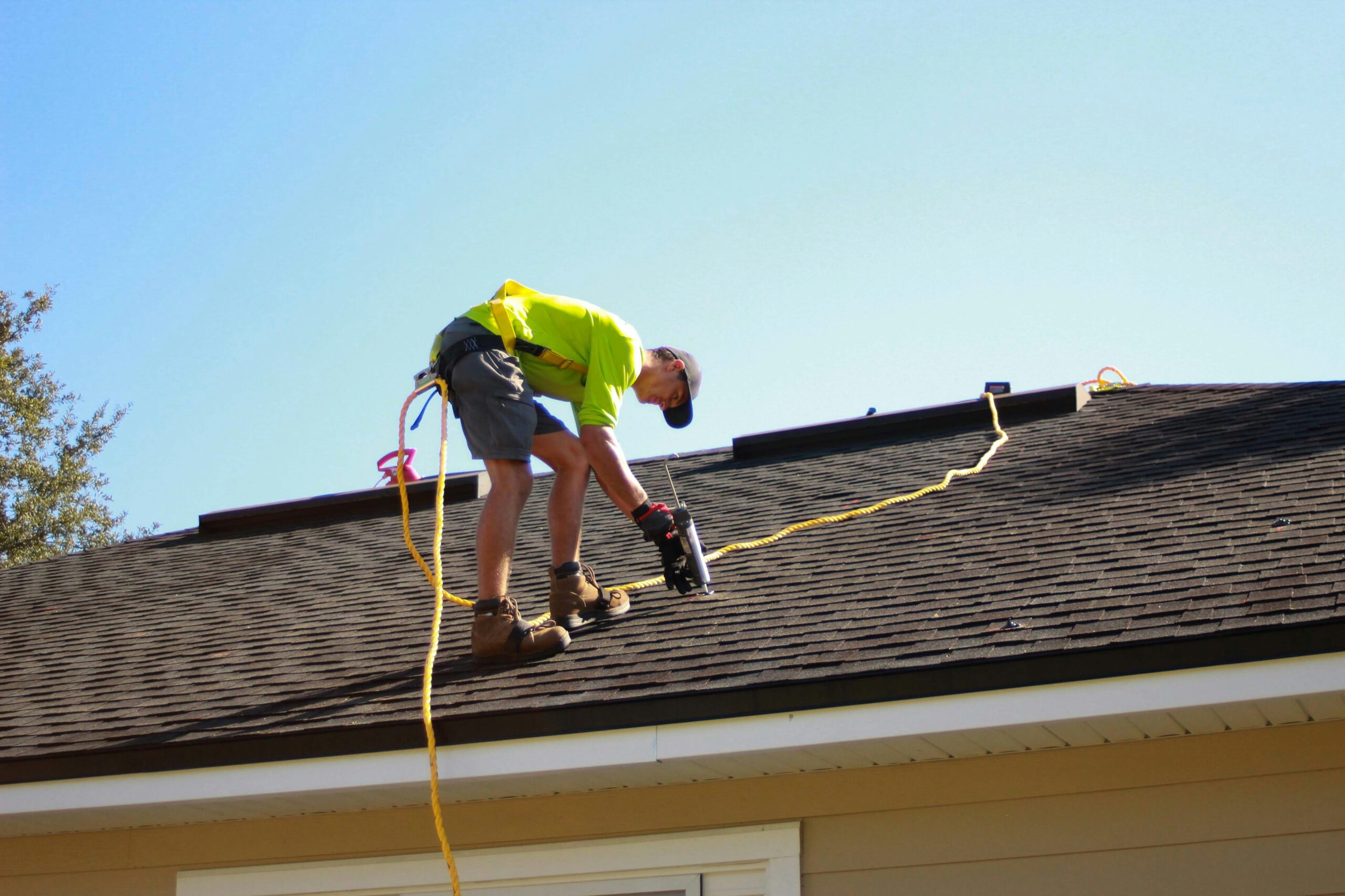
- Safety First: They have the proper safety equipment and training to navigate your roof securely, minimizing risk to themselves and your property.
- Comprehensive Assessment: They’ll conduct a detailed, multi-point inspection, often including drone footage for hard-to-reach areas, and provide you with a full report and accurate estimate.
- Material Knowledge: They understand the nuances of different roofing materials, from architectural asphalt shingles to metal, slate, and tile, and can diagnose specific issues for each.
- Insurance Claim Assistance: If you’re dealing with storm damage, a good contractor can often help you navigate the tricky waters of insurance claims, providing detailed documentation and accurate estimates for your adjuster.
- Local Climate Expertise: Local contractors are intimately familiar with Georgia’s specific climate challenges – the humidity, the intense sun, the frequency of hailstorms and severe thunderstorms – and how these impact roofing materials over time. They know which solutions work best for our environment.
- Reputation and Accountability: By choosing a contractor through Verified Roofers, you’re connecting with professionals who stand by their work and are accountable to their local community.
Regular roof inspections, both by you and by a qualified professional, are not just about protecting your investment; they’re about ensuring the safety and structural integrity of your entire home. Don’t let small problems become catastrophic failures. Stay vigilant, stay informed, and when in doubt, call in the experts. Your Georgia home will thank you for it.
Find a Verified Roofing Contractor Near You
FAQs
What is a roof inspection checklist?
A roof inspection checklist is a comprehensive list of items that need to be inspected on a roof to ensure its structural integrity and functionality. It includes items such as shingles, flashing, gutters, and ventilation.
Why is a roof inspection checklist important?
A roof inspection checklist is important because it helps identify any potential issues or damage to the roof, allowing for timely repairs and maintenance. Regular inspections can also help extend the lifespan of the roof and prevent costly repairs in the future.
What are some common items included in a roof inspection checklist?
Common items included in a roof inspection checklist are the condition of shingles, flashing, gutters, vents, chimneys, and skylights. It also includes checking for signs of water damage, mold, and any structural issues.
How often should a roof inspection be conducted?
It is recommended to conduct a roof inspection at least once a year, preferably in the spring or fall. Additionally, it is important to inspect the roof after severe weather events such as storms or heavy winds.
Can I conduct a roof inspection on my own?
While it is possible to conduct a basic visual inspection of the roof on your own, it is recommended to hire a professional roofing contractor for a thorough and comprehensive inspection. Professional roofers have the expertise and experience to identify potential issues that may not be visible to an untrained eye.