Choosing the Right Roofing Contractor: A Guide
Your roof is one of the most critical components of your home, shielding you and your loved ones from the elements. In the Atlanta metro and North Georgia regions, where we experience everything from intense summer sun and humidity to occasional destructive hailstorms and the occasional hurricane threat, a robust and well-maintained roof is non-negotiable. But when it comes time for repairs or a full replacement, how do you ensure you’re hiring someone you can trust? This guide is designed to walk you through the crucial steps of selecting the right roofing contractor, drawing on years of experience in this demanding industry.
Before you even start looking for a contractor, you need to have a clear understanding of why you need one and what your options are. This initial assessment will save you time, potentially save you money, and ensure you’re communicating your needs effectively to potential roofers.
Identifying the Problem: What’s Actually Going On?
The first step is diagnosing the issue. Are you dealing with a minor leak after a storm? Are you noticing curling or missing shingles? Or has your roof simply reached the end of its lifespan, perhaps 20-30 years after installation?
- Visible Shingle Damage: Look for shingles that are cracked, blistered, curled, or completely missing. This is often a sign of age, sun damage, or impact from debris or hail. In North Georgia, hail damage, even if it doesn’t immediately cause a leak, can significantly reduce the life of your shingles by compromising their protective granules.
- Water Stains and Interior Damage: Any water stains on your ceiling or walls, especially in the attic or around light fixtures, are a clear indicator of a leak. This can also lead to mold growth and structural rot if left unaddressed. The high humidity in the Atlanta metro area can exacerbate these issues, making mold a greater concern.
- Granule Loss: Check your gutters. If you find a significant amount of gritty material, these are likely asphalt granules from your shingles. This means your shingles are wearing out and losing their protective layer.
- Age of the Roof: Most asphalt shingle roofs in our climate have a lifespan of 20-30 years. If your roof is in this age range, it’s wise to start planning for a replacement, even if you don’t see immediate problems.
Material Options: Beyond the Basic Asphalt Shingle
While asphalt shingles are the most common roofing material in Georgia, you have other excellent options, each with its own pros, cons, and cost implications. Understanding these will help you have an informed discussion with your contractor.
- Asphalt Shingles: These are generally the most budget-friendly option and come in a wide variety of styles and colors.
- 3-Tab Shingles: The most basic and least expensive type, offering a flatter appearance. They are typically less durable, with a lifespan of around 15-20 years in our climate.
- Architectural or Dimensional Shingles: These are a step up in both appearance and durability. They use multiple layers to create a dimensional look, mimicking the appearance of wood shakes or slate. They offer better wind resistance and a lifespan of 25-30 years or more, making them a popular choice for homeowners in Georgia. Expect to pay a premium of 15-30% over 3-tab shingles for architectural options.
- Impact-Resistant Shingles (IR): Given the hail potential in North Georgia, investing in IR shingles can be a smart decision. These are rated to withstand impacts from large hailstones. While the upfront cost is higher (potentially 50-100% more than standard architectural shingles), they can save you on costly repairs and premature replacement.
- Metal Roofing: Metal roofs are becoming increasingly popular due to their durability, longevity (50+ years), and energy efficiency. They are also excellent at shedding snow and ice (less of a concern in Atlanta but still a factor in higher elevations of North Georgia) and are highly resistant to fire and wind.
- Standing Seam Metal: This is the premier metal roofing option, offering a clean, modern look. The panels are installed vertically, with raised seams that interlock, providing superior weather protection. Costs can range from $10 to $20+ per square foot installed, depending on the material (aluminum, steel, copper) and finish.
- Metal Shingles/Shakes: These mimic the look of traditional roofing materials like asphalt shingles, wood shakes, or slate but offer the durability of metal. They are often easier for contractors to install than standing seam. Costs are typically lower than standing seam.
- Other Materials:
- Wood Shakes and Shingles: While beautiful, these require significant maintenance, are susceptible to rot and insects in our humid climate, and are a fire hazard. They are less common for primary roofing in the metro Atlanta area for these reasons.
- Tile Roofing (Clay or Concrete): These offer exceptional durability and a classic, Mediterranean look. However, they are very heavy and require a robust roof structure. They are also more brittle and can be damaged by hail or foot traffic. Costs can be substantial, often starting at $15+ per square foot installed.
Estimating Costs: What to Expect
The cost of a new roof can vary significantly based on the material, the size and complexity of your home, and the contractor you choose. For a typical 2,000-3,000 square foot home in the Atlanta metro or North Georgia, you can expect:
- Asphalt Shingles (Architectural): $8,000 – $18,000+
- Metal Roofing (Standing Seam): $15,000 – $30,000+
- Tile Roofing: $20,000 – $40,000+
These are broad estimates. Always get detailed quotes from multiple contractors. Don’t let price be the only factor; the cheapest option often isn’t the best in the long run.
When selecting a roofing contractor, it’s essential to consider various factors to ensure you make the right choice for your home. A helpful resource that provides insights into this process is the article found at how to choose a roofing contractor. This article outlines key criteria to evaluate, such as licensing, insurance, and customer reviews, which can significantly impact the quality and reliability of the roofing services you receive.
The Importance of Licensure and Insurance: Non-Negotiables
This is where many homeowners falter. Cutting corners on verifying a contractor’s credentials can lead to costly mistakes, legal issues, and unfinished or poorly done work.
Verifying Licensure: Are They Legally Allowed to Work Here?
In Georgia, roofing contractors are required to be licensed by the state. This ensures they have met certain standards of knowledge and competency. While specific licensing requirements can vary, a reputable contractor will readily provide their license number.
- State Licensing Board: You can verify a contractor’s license through the Georgia Secretary of State’s website or the relevant professional licensing board. A quick online search for “Georgia roofing contractor license verification” will guide you. Never hire someone who cannot provide a valid license number.
- Local Permits: Reputable contractors will also pull the necessary local permits for your roofing project. This is another layer of protection, as the work will be inspected by local building officials. A contractor who suggests skipping permits is a major red flag.
Understanding Insurance: Protecting You and Them
Insurance is not just a formality; it’s a critical safeguard. A properly insured roofer protects you from liability in case of accidents on your property.
- General Liability Insurance: This covers damage to your property or injuries to yourself or others that occur as a result of the contractor’s work. Ask for a certificate of insurance and, crucially, call the insurance company to verify the policy is current and active. Don’t just take their word for it.
- Workers’ Compensation Insurance: This covers injuries to the contractor’s employees while they are working on your property. If a roofer doesn’t have workers’ comp and one of their workers gets injured, you could be held liable for medical expenses and lost wages. This is a big one, especially for the heavy, dangerous work of roofing.
- Builder’s Risk Insurance: Sometimes, larger projects might benefit from this, which covers damage to the structure during the construction process itself.
When you work with a company like Verified Roofers, you gain peace of mind because they connect you with licensed, insured, and vetted local roofing contractors who have already met these essential requirements.
Researching and Vetting Potential Contractors: Due Diligence Pays Off

Even with licensure and insurance, you need to dig deeper to find a contractor who is truly the best fit for your project and your home.
Checking Reputation and Reviews: What Do Others Say?
The internet has made it easier than ever to gauge a company’s reputation.
- Online Review Platforms: Look for reviews on sites like Google, Yelp, and the Better Business Bureau (BBB). Pay attention to the patterns of reviews. Are there multiple complaints about the same issue? Are positive reviews generic or specific?
- BBB Rating: While not the definitive answer, a good BBB rating and lack of unresolved complaints are positive indicators.
- Ask for References: A good contractor will be happy to provide you with a list of recent clients in your area. Don’t just take the list; call them. Ask about their experience, the quality of the work, the professionalism of the crew, and whether the project was completed on time and within budget. Inquire about how any issues were handled. This is invaluable, especially when considering a significant investment like a new roof.
Examining Experience and Specialization: Local Knowledge Matters
The Atlanta metro and North Georgia climate presents unique challenges. A contractor who understands these nuances will perform better.
- Local Experience: How long has the company been operating specifically in the Atlanta metro and North Georgia areas? Do they understand our specific weather patterns, building codes, and common roofing issues? A contractor from out of state who can only offer generic advice might not be your best bet for hail damage mitigation or dealing with high humidity.
- Specific Material Expertise: If you’re considering a metal roof or a specialized tile, ensure the contractor has proven experience with that material. Improper installation of any material can lead to significant problems, regardless of its inherent quality.
- Warranty Offered: What kind of warranty does the contractor offer on their workmanship? This is separate from manufacturer warranties on materials. A strong workmanship warranty (e.g., 5-10 years) indicates confidence in their installation quality.
Obtaining and Evaluating Bids: Getting It In Writing

This is arguably the most critical phase. A detailed, comprehensive bid is your roadmap to a successful project and a way to compare apples to apples.
The Importance of a Detailed Written Estimate: No Vague Promises
A professional roofing bid should be far more than just a dollar amount. It should clearly outline every aspect of the proposed work.
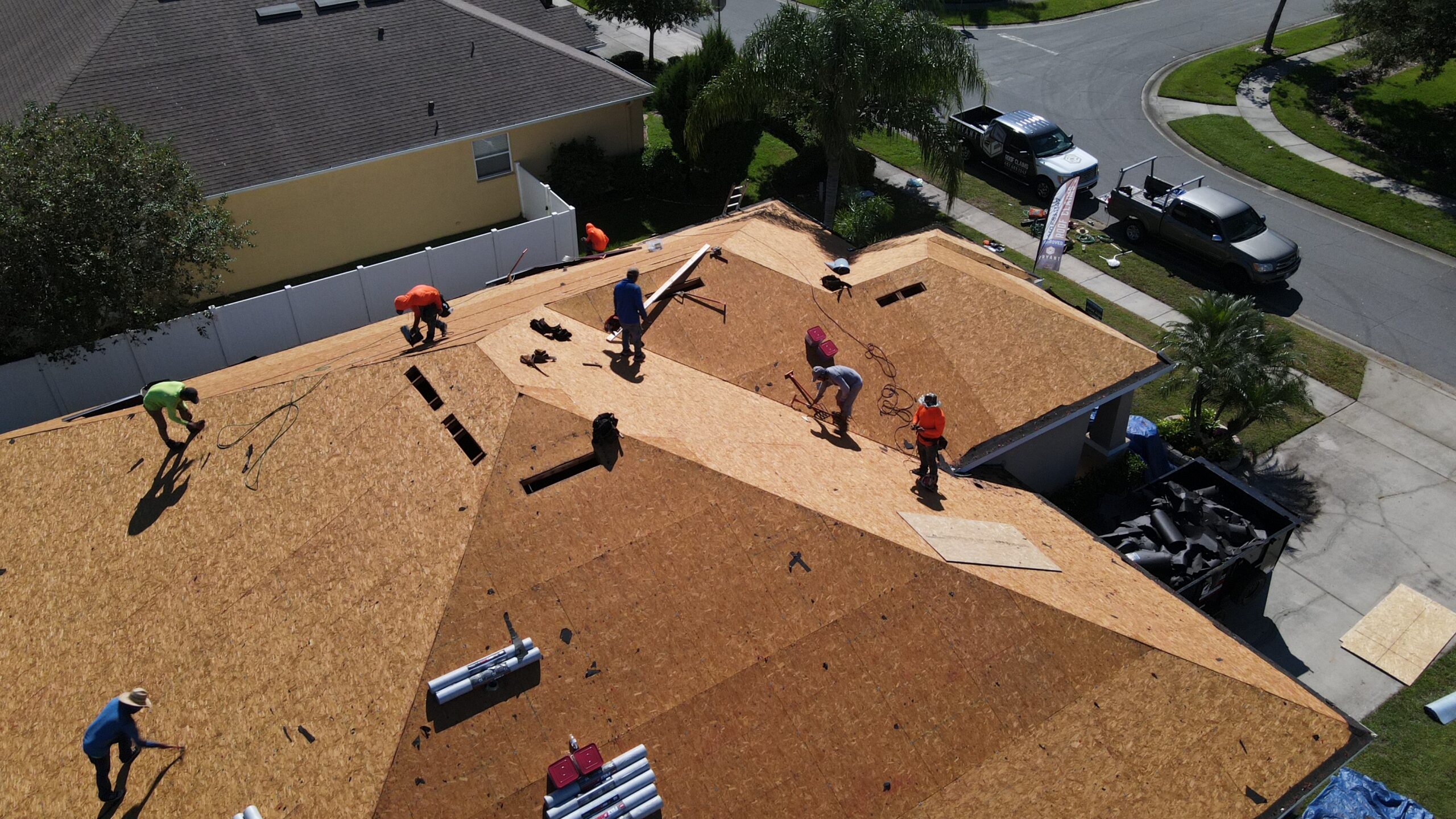
- Scope of Work: This should detail exactly what will be done. For a roof replacement, this includes:
- Removal of old roofing materials (specify how many layers).
- Inspection of the existing decking and underlayment.
- Replacement of any damaged plywood or OSB sheathing (specify the number of sheets included, and the cost per sheet for additional sheets).
- Installation of new ice and water shield in critical areas (eaves, valleys) and as required by code.
- Installation of new synthetic underlayment or felt paper.
- Installation of new starter shingles along eaves and rakes.
- Installation of new shingles (specify the brand, style, and color).
- Installation of new flashing (drip edge, valley flashing, step flashing, vent flashing).
- Installation of new pipe boots and vents.
- Installation of new ridge vent and hip caps if applicable.
- Cleanup of the work site, including magnetic sweeping for nails.
- Disposal of old roofing materials.
- Materials Specified: The bid should list the exact brands and types of materials to be used (shingles, underlayment, flashing, fasteners, vents, etc.). This allows you to research the quality of the products.
- Labor Costs: Clearly broken down.
- Permit Fees: Mention if they are included in the estimate.
- Timeline: An estimated start and completion date.
- Payment Schedule: What percentage is due upfront, upon completion of certain milestones, and upon final payment?
- Warranty Information: Details on both workmanship and manufacturer warranties.
Comparing Bids: Looking Beyond the Bottom Line
When you receive bids from multiple contractors, resist the urge to simply pick the lowest price. You need to compare them for completeness and fairness.
- “Apples to Apples” Comparison: Ensure each bid details the same scope of work and uses comparable materials. A bid using cheaper shingles or omitting critical underlayment will naturally be lower but won’t offer the same quality or longevity.
- Unusual Low Bids: If a bid is significantly lower than the others, it’s a cause for concern. It might indicate cutting corners on materials, labor, insurance, or permits.
- Hidden Costs: Be wary of bids that seem incomplete or lack detail. Ask clarifying questions about anything that is unclear.
When selecting a roofing contractor, it’s essential to consider various factors to ensure you make the right choice for your home. A helpful resource on this topic can be found in a related article that provides insights into the qualities to look for in a contractor. By understanding these key aspects, you can better navigate the selection process and find a reliable professional. For more detailed information, you can read the article on how to choose a roofing contractor here.
The Contract and the Project: Ensuring a Smooth Process
| Factors to Consider | Importance |
|---|---|
| License and Insurance | High |
| Experience | High |
| References and Reviews | High |
| Written Estimate | Medium |
| Communication and Professionalism | Medium |
| Warranty Offered | Medium |
| Local Reputation | Low |
Once you’ve chosen your contractor, the contract is your legal agreement, and communication throughout the project is key to satisfaction.
Reviewing the Contract Carefully: Your Agreement on Paper
Before signing anything, read the contract thoroughly. Make sure it reflects everything discussed and agreed upon.
- Key Clauses to Look For:
- Full scope of work as described in the bid.
- Material specifications.
- Total cost and payment schedule.
- Start and estimated completion dates (and what happens if delays occur).
- Warranty details.
- Change order procedures (how changes to the original agreement will be handled).
- Lien waivers (a document stating the contractor and subcontractors have been paid and won’t place a lien on your property).
- Dispute resolution clause.
- Don’t Be Afraid to Ask Questions: If you don’t understand a clause, ask for clarification. A reputable contractor will be transparent.
Communication During the Project: Staying Informed
Once the work begins, maintaining clear communication with your contractor or project manager is vital.
- Designated Contact Person: Know who to call with questions or concerns.
- Daily/Regular Updates: While not always necessary for minor repairs, for larger projects like a full roof replacement, regular updates on progress can be reassuring.
- Addressing Issues Promptly: If any problems arise, communicate them immediately. The sooner an issue is addressed, the easier it is to resolve.
- Final Walk-Through and Payment: Before making your final payment, do a thorough walk-through of the completed project with your contractor. Ensure everything is done to your satisfaction and that the site is clean. Obtain all warranty information and lien waivers.
By following these steps, you can navigate the complex process of choosing a roofing contractor with confidence. Your roof is a significant investment, and taking the time to select the right professional will protect that investment and ensure your home remains secure and comfortable for years to come in the variable Georgia climate. Remember, resources like Verified Roofers are available to help you find those trusted, local professionals who are ready to serve your roofing needs.
Find a Verified Roofing Contractor Near You
FAQs
1. What should I look for when choosing a roofing contractor?
When choosing a roofing contractor, it’s important to look for a licensed and insured professional with a good reputation. You should also consider their experience, warranties offered, and the quality of materials they use.
2. How can I verify a roofing contractor’s credentials?
You can verify a roofing contractor’s credentials by checking their license and insurance information. You can also look for certifications from manufacturers of roofing materials, as well as reviews and ratings from previous customers.
3. What questions should I ask a roofing contractor before hiring them?
Before hiring a roofing contractor, you should ask about their experience, the types of roofing materials they work with, their warranty options, and their process for handling unexpected issues or changes during the project.
4. What are the red flags to watch out for when choosing a roofing contractor?
Red flags to watch out for when choosing a roofing contractor include lack of insurance or licensing, pressure to make a quick decision, vague or incomplete estimates, and poor communication or responsiveness.
5. How can I compare quotes from different roofing contractors?
When comparing quotes from different roofing contractors, it’s important to consider the scope of work, the quality of materials, the warranties offered, and the contractor’s reputation and experience. It’s also important to consider any additional services or benefits included in the quotes.