
High-quality materials play a crucial role in the success of any project, whether it be in construction, manufacturing, or crafting. The choice of materials can significantly influence the overall performance, aesthetics, and longevity of the final product. When high-quality materials are utilized, they often lead to enhanced functionality and reduced maintenance costs over time. This is particularly important in industries where safety and reliability are paramount, such as in construction or automotive manufacturing. The initial investment in superior materials can yield substantial returns in terms of durability and performance.
Moreover, high-quality materials can contribute to the overall value of a project. In real estate, for instance, properties built with premium materials tend to appreciate more over time compared to those constructed with lower-grade options. This appreciation is not only due to the physical attributes of the materials but also because they often reflect a commitment to quality and craftsmanship. As consumers become more discerning, the demand for products made from high-quality materials continues to rise, making it essential for businesses and individuals alike to prioritize their selection.
When considering the quality of materials used in roofing, it’s essential to understand how different materials can impact the longevity and durability of your roof. For a deeper insight into this topic, you can refer to the article on roofing companies in Rhode Island, which discusses various material options and their benefits. To read more, visit this link.
Factors to Consider When Choosing Materials
When selecting materials for a project, several factors must be taken into account to ensure that the final outcome meets expectations. One of the primary considerations is the intended use of the product. Different applications may require specific material properties, such as strength, flexibility, or resistance to environmental factors. For example, materials used in outdoor furniture must withstand weather conditions, while those used in interior design may prioritize aesthetics and comfort.
Another important factor is the compatibility of materials with existing structures or systems. In construction, for instance, it is vital to choose materials that will work well with other components of the building, such as insulation or plumbing systems. Additionally, the availability of materials can influence decision-making; some high-quality options may be difficult to source or come with long lead times. Therefore, understanding the project requirements and constraints is essential for making informed material choices.
Researching the Best Materials for Your Project
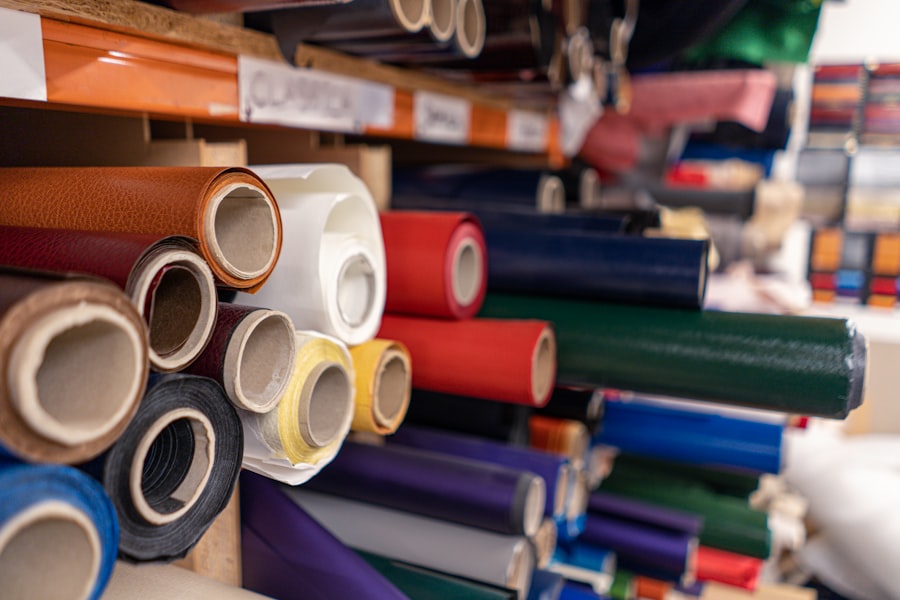
Thorough research is essential when it comes to identifying the best materials for a specific project. This process often begins with gathering information about various material types and their properties. Online resources, industry publications, and manufacturer specifications can provide valuable insights into the performance characteristics of different materials. Additionally, attending trade shows or industry conferences can offer opportunities to learn about new innovations and trends in material science.
Consulting with peers or industry professionals can also enhance the research process. Engaging in discussions with those who have experience with similar projects can yield practical advice and recommendations. Furthermore, exploring case studies or examples of successful projects can help identify which materials have proven effective in real-world applications. By combining various research methods, individuals can develop a comprehensive understanding of their options and make informed decisions regarding material selection.
Assessing Durability and Longevity
Durability is a critical factor when evaluating materials for any project. The ability of a material to withstand wear, pressure, or damage over time directly impacts its performance and lifespan. For instance, in construction, materials such as concrete and steel are often favored for their strength and resistance to environmental stressors. In contrast, softer materials may be more susceptible to damage and require more frequent replacement or repair.
Longevity is closely tied to durability but also encompasses factors such as maintenance requirements and susceptibility to degradation. Some materials may require regular upkeep to maintain their appearance and functionality, while others may be designed for minimal maintenance over their lifespan. Understanding these aspects can help project managers and homeowners alike make choices that align with their long-term goals and budget considerations.
When considering the quality of materials used in roofing projects, it’s essential to understand how they impact the overall durability and longevity of your roof. A related article discusses the various types of roofing materials available and their respective benefits, which can help homeowners make informed decisions. For more insights on this topic, you can read the article on Kentucky roofers to explore the best options for your specific needs.
Considering Environmental Impact and Sustainability
| Material Type | Durability Rating (1-10) | Source | Environmental Impact | Cost Efficiency | Customer Satisfaction (%) |
|---|---|---|---|---|---|
| Stainless Steel | 9 | Recycled | Low | High | 92 |
| Aluminum | 7 | Virgin | Medium | Medium | 85 |
| Plastic (ABS) | 6 | Virgin | High | High | 78 |
| Wood (Oak) | 8 | Certified Sustainable | Low | Medium | 88 |
| Glass | 7 | Recycled | Low | Medium | 80 |
In recent years, there has been a growing emphasis on sustainability in material selection. The environmental impact of materials encompasses various factors, including resource extraction, manufacturing processes, and end-of-life disposal. Choosing sustainable materials can reduce a project’s carbon footprint and contribute to environmental conservation efforts. For example, using recycled or reclaimed materials can minimize waste and decrease the demand for new resources.
Additionally, many consumers are increasingly prioritizing eco-friendly options in their purchasing decisions. This shift has prompted manufacturers to develop sustainable alternatives that do not compromise on quality or performance. When selecting materials, it is essential to consider certifications or labels that indicate a product’s environmental credentials. By making informed choices that prioritize sustainability, individuals can contribute to a more responsible approach to consumption and production.
Budgeting for High-Quality Materials
While high-quality materials often come with a higher upfront cost, it is essential to consider the long-term value they provide. Budgeting for these materials requires careful planning and an understanding of the overall project scope. It is advisable to allocate a portion of the budget specifically for quality materials rather than opting for cheaper alternatives that may lead to increased costs down the line due to repairs or replacements.
In addition to direct material costs, it is important to factor in potential savings associated with durability and reduced maintenance needs. High-quality materials may result in lower operational costs over time, making them a more economical choice in the long run. By conducting a thorough cost-benefit analysis, individuals can make informed decisions that align with their financial constraints while still prioritizing quality.
Consulting with Experts and Professionals
Engaging with experts in material selection can provide valuable insights that enhance decision-making processes. Professionals such as architects, engineers, or interior designers possess specialized knowledge about various materials and their applications. Their expertise can help identify suitable options based on project requirements and constraints.
Consulting with suppliers or manufacturers can also yield important information regarding material properties and performance characteristics. These professionals often have firsthand experience with their products and can provide guidance on best practices for selection and installation. By leveraging expert advice, individuals can navigate the complexities of material selection more effectively.
Reading Reviews and Comparing Options
In today’s digital age, online reviews and comparisons have become essential tools for evaluating material options. Many consumers share their experiences with specific products on various platforms, providing insights into performance, durability, and overall satisfaction. Reading these reviews can help individuals gauge the reliability of different materials before making a purchase.
Additionally, comparing options from multiple suppliers allows for a more comprehensive understanding of available choices. This process may involve examining specifications, pricing, and warranty information across different brands or manufacturers. By taking the time to research and compare options thoroughly, individuals can make informed decisions that align with their project goals.
Examining Warranty and Guarantee Information
Warranties and guarantees are important considerations when selecting high-quality materials. These documents provide assurances regarding the performance and longevity of products, offering peace of mind to consumers. A robust warranty typically indicates that a manufacturer stands behind their product’s quality and is willing to address any issues that may arise during its lifespan.
When evaluating warranty information, it is essential to understand the terms and conditions associated with coverage. Some warranties may only apply under specific circumstances or require certain maintenance practices to remain valid. By carefully reviewing this information, individuals can ensure they are making informed choices that protect their investment in high-quality materials.
Making Informed Decisions for Lasting Results
The process of selecting high-quality materials requires careful consideration of various factors, including durability, sustainability, budget constraints, and expert advice. By taking a systematic approach to material selection, individuals can make informed decisions that lead to lasting results in their projects. This involves not only understanding the properties of different materials but also considering how they align with project goals and values.
Ultimately, informed decision-making contributes to successful outcomes that meet both functional and aesthetic requirements. Whether constructing a building or creating a piece of furniture, prioritizing high-quality materials ensures that the final product will stand the test of time while delivering optimal performance.
Tips for Maintaining and Caring for High-Quality Materials
Once high-quality materials have been selected and implemented in a project, proper maintenance becomes essential for preserving their integrity over time. Regular cleaning and care routines tailored to specific material types can help prevent deterioration and maintain appearance. For instance, wood surfaces may require periodic polishing or sealing to protect against moisture damage, while metal components might benefit from rust prevention treatments.
Additionally, being proactive about repairs can extend the lifespan of high-quality materials significantly. Addressing minor issues before they escalate into major problems not only preserves functionality but also enhances overall aesthetics. By adopting a mindful approach to maintenance and care, individuals can ensure that their investment in high-quality materials continues to yield benefits for years to come.
FAQs
What factors determine the quality of materials used in manufacturing?
The quality of materials is determined by factors such as purity, strength, durability, consistency, and compliance with industry standards. Testing methods like tensile strength, hardness, and chemical composition analysis also play a role.
How does the quality of materials impact the final product?
High-quality materials contribute to better performance, longevity, safety, and overall reliability of the final product. Poor-quality materials can lead to defects, reduced lifespan, and increased maintenance costs.
What are common methods to assess the quality of materials?
Common assessment methods include visual inspection, mechanical testing (e.g., tensile, compression tests), chemical analysis, and non-destructive testing techniques such as ultrasonic or X-ray inspection.
Why is it important to use certified materials?
Certified materials have been tested and verified to meet specific standards, ensuring consistency, safety, and compliance with regulations. Using certified materials reduces the risk of product failure and liability issues.
Can the quality of materials affect environmental sustainability?
Yes, using high-quality, durable materials can reduce waste and the need for frequent replacements, contributing to sustainability. Additionally, selecting eco-friendly or recyclable materials supports environmental conservation efforts.