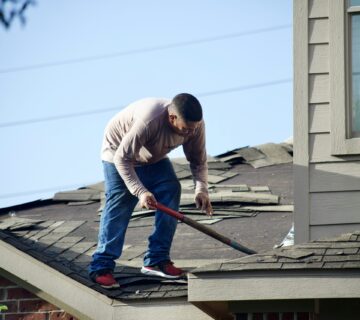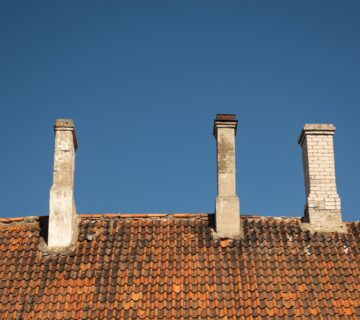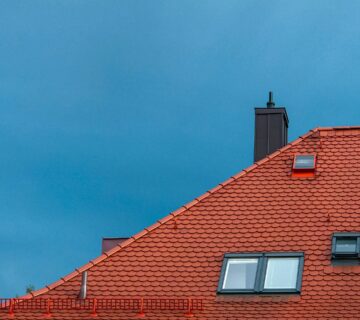
Alright homeowners in Atlanta and North Georgia, let’s talk about that crucial component over your head: your roof. It’s more than just a decorative element; it’s your primary defense against the relentless Georgia sun, those sudden thunderstorms that pop up every summer, and even the occasional hailstorm that can wreak havoc. Ignoring the subtle warnings your roof might be giving you isn’t just risky, it’s financially shortsighted. A timely roof replacement can save you from far more costly interior damage down the line. I’ve seen it countless times in my decades in this industry, from Peachtree City all the way up to Blue Ridge.
You’re a savvy homeowner, and you want to be proactive. That’s exactly the right mindset. So, let’s dive into the definitive signs that tell you it might be time to start thinking about a new roof. These aren’t just guesses; these are indicators based on years of boots-on-the-roof experience, understanding our local climate, and seeing what works – and what fails – in Georgia.
This is often one of the earliest and most overlooked signs, yet it’s incredibly telling. Those little gritty, sand-like particles you find collecting in your gutters or washing down your downspouts after a rain? Those are asphalt shingle granules. Think of them as your roof’s sunscreen. They protect the asphalt core of your shingle from the sun’s harsh UV rays, which, let’s be honest, we get plenty of here in Georgia.
Why Granule Loss Matters So Much in Georgia
Our climate, with its intense summer sun and high humidity, puts extra stress on these granules. Once they’re gone, the asphalt beneath becomes exposed. And what happens then?
- UV Degradation: The sun starts baking the asphalt directly. This leads to it becoming brittle, cracking, and losing its waterproofing capabilities much faster.
- Accelerated Aging: Without that protective layer, your shingles will age exponentially quicker, curling, cracking, and becoming more susceptible to wind and hail damage.
- Reduced Fire Resistance: Granules also contribute to a shingle’s fire resistance rating. While this might not be your primary concern day-to-day, it’s an important safety factor.
If you’re consistently cleaning out gutters full of these granules, or you see dark, bald spots on your shingles from the ground, your roof is likely well past its prime. It’s losing its protective barrier, and its ability to shed water effectively is severely compromised. This isn’t a sign to ignore; it’s a clear call for action.
If you’re noticing signs that you may need a new roof, such as leaks, missing shingles, or significant wear and tear, it’s essential to consult with professionals who can assess your situation. For more information on roofing services and to find reliable contractors in your area, check out this related article on roofing solutions in Alpharetta: Alpharetta Roofing Contractors. This resource can help you understand your options and connect you with experts who can provide the necessary assistance.
2. Your Shingles Are Curling, Cracking, or Cupping
Walk around your home and get a good look at your roof. Can you safely view it from an upstairs window? Use binoculars if necessary. You’re looking for distinct patterns of shingle deterioration.
Types of Shingle Deformation and What They Indicate
- Curling Shingles: This happens in two primary ways.
- Clawing: The shingle edges remain flat, but the middle of each shingle starts to lift or curl upwards, forming a “claw” shape. This is often due to aging and repeated thermal expansion and contraction, common with our big temperature swings.
- Cupping: The shingle edges lift or curl upwards, while the center stays flat. This is usually a sign of moisture absorption on the bottom side of the shingle, potentially due to poor ventilation or a defect in the shingle itself. Both types indicate the shingles are losing their integrity and becoming vulnerable.
- Cracking Shingles: Look for thin, hairline cracks, especially across the surface of the shingles. These cracks are pathways for water. Once cracking starts, it progresses quickly, allowing water to penetrate the shingle’s core and eventually your roof deck. This is a common consequence of UV damage and embrittlement, often following granule loss.
- Missing Shingles: This is an obvious one, but sometimes overlooked if it’s on a less visible slope. Wind, especially those strong gusts we get during summer storms, can tear off brittle or poorly adhered shingles. Missing shingles mean immediate exposure of your underlayment and decking to the elements. You’re now a direct step away from a leak.
These deformities are physical manifestations of a shingle that has reached the end of its useful life. They’re no longer lying flat and uniformly shedding water; they’re trapping it, directing it to vulnerable spots, and generally failing at their job.
3. You’re Dealing with Leaks, Stains, or Water Damage Inside Your Home

This is the most alarming sign, as it indicates your roof has already failed to protect your home. Don’t wait until you place buckets to catch drips. Even subtle signs should prompt immediate investigation.
Where to Look for Interior Water Damage
- Attic: This is often the first place to spot an issue. During daylight hours, go into your attic. Look for water stains on the underside of your roof deck, on insulation, or on the joists. Sometimes, you’ll even see light filtering through tiny holes where the sun shouldn’t be. A musty smell in the attic is also a major red flag for hidden moisture and potential mold growth.
- Ceilings: Discolored patches, blistering paint, or sagging drywall on your ceilings are undeniable signs of a leak. Water travels, so the stain might not be directly below the source of the roof leak.
- Walls: Stains running down interior walls, especially near exterior walls, indicate water penetration. This could be from a roof leak, but also from flashing issues or siding problems. A thorough inspection is crucial.
- Around light fixtures, vents, and chimneys: These penetrations are common leak points if the flashing around them has failed.
If you’re seeing any of these interior signs, your roof system is compromised. While a small leak might sometimes be a repairable flashing issue, pervasive stains or multiple leak points usually point to an overall roof failure. Ignoring these will lead to much more expensive problems like mold remediation, structural rot, and damaged insulation.
4. Your Roof Has Visible Sagging or Unevenness

A healthy roofline should be straight and level. If you look at your roof from the street, or from several different angles, and notice any dips, sags, or unevenness, that’s a serious structural concern.
What Sagging Means for Your Roof’s Structure
- Damaged Decking: The most common cause of sagging is water-damaged roof decking (the plywood or OSB sheathing beneath your shingles). When this wood gets wet repeatedly, it loses its strength and can rot, sag, or even break. This is particularly problematic in our humid climate, which fosters wood rot.
- Weakened Trusses or Rafters: Less commonly, but more severely, sagging can indicate issues with the underlying structural components of your roof – the trusses or rafters. This can be due to original construction flaws, alterations that weakened the structure, or prolonged water damage that has compromised their integrity.
- Improper Installation: Sometimes, a sag can be present from day one if the roof decking wasn’t installed correctly or wasn’t adequately supported. While less common, it’s still a defect that compromises the roof’s lifespan.
A sagging roof isn’t just an aesthetic issue; it’s a structural one. It compromises the entire roof system, leading to improper water drainage, further localized sagging, and an increased risk of collapse under heavy loads – like a rare but not impossible snow event or even prolonged heavy rainfall. This is a sign that demands immediate attention from a qualified professional.
If you’re noticing signs that you need a new roof, such as leaks, missing shingles, or significant wear and tear, it’s essential to consult with professionals who can assess your situation. For more detailed information on finding reliable roofing contractors in South Dakota, you can check out this informative article on roofing services. Taking the time to understand your options can help ensure that you make the best decision for your home.
5. Your Flashing is Damaged or Deteriorated
| Signs You Need a New Roof |
|---|
| 1. Missing or damaged shingles |
| 2. Leaks or water stains on the ceiling |
| 3. Sagging or uneven roof deck |
| 4. Excessive granule loss in gutters |
| 5. Cracked or worn rubber boots around vent pipes |
| 6. Age of the roof (20-25 years old) |
| 7. Increased energy bills due to poor insulation |
Flashing is the unsung hero of your roof. It’s the metal material (usually aluminum or galvanized steel) used to waterproof the most vulnerable areas of your roof where it transitions or changes planes. These include around chimneys, skylights, vents, valleys, and dormers.
The Critical Role of Flashing in a Georgia Roof
- Chimney & Skylight Flashing: These are notorious leak points. Our constant expansion and contraction from temperature changes, combined with rain and wind, can cause the caulk or sealant around flashing to dry out, crack, or pull away. Step flashing, counter flashing, and apron flashing all need to be secure and properly layered.
- Valley Flashing: Valleys, where two roof planes meet, channel a significant amount of water. If the flashing here is cracked, corroded, or if shingles have pulled away from it, it’s a direct route for water into your home.
- Vent Pipe Boots: The rubber or neoprene seals around plumbing vent pipes are highly susceptible to UV degradation from our intense sun. Over time, they crack and crumble, leaving a direct opening for water to cascade down into your walls or attic. This is a very common source of leaks that often gets overlooked.
If you see rusty, bent, or missing flashing, or if the sealants around it are cracked and separated, you’re looking at a leak waiting to happen, or one that’s already in progress. While some minor flashing repairs can extend a roof’s life, extensive flashing issues across multiple areas often indicate that the entire roof system is nearing its end and a comprehensive replacement makes more economic sense.
If you’re noticing signs like leaks, missing shingles, or increased energy bills, it might be time to consider a roof replacement. For more detailed information on this topic, you can check out a related article that discusses the various indicators that suggest you need a new roof. Understanding these signs can help you make informed decisions about your home maintenance. To learn more, visit this article for expert insights and guidance.
6. Your Roof is Simply Old (Beyond Its Expected Lifespan)
Every material has a projected lifespan, and asphalt shingles are no exception. While manufacturer warranties are marketing tools, real-world longevity is influenced significantly by installation quality, maintenance, and, crucially for us, climate.
Understanding Roof Lifespans in Our Georgia Climate
- Typical Asphalt Shingle Lifespan: In a state like Georgia, with its high heat, humidity, and regular storms (wind, hail), a standard 3-tab asphalt shingle roof generally lasts 15-20 years, even if it has a 25-year warranty. Architectural or dimensional shingles, which are thicker and more robust, can reliably last 20-30 years. Premium shingles might push to 40, but that’s less common for cost-conscious installs.
- Hail Impact: We experience hail in North Georgia with surprising regularity. While “cosmetic” damage might not cause an immediate leak, it significantly bruises the shingle, dislodges granules, and accelerates the aging process. A roof that’s been exposed to multiple moderate hail events, even without filing a claim each time, will age faster.
- Humidity and Heat: Constant humidity encourages mold and algae growth (those dark streaks you see are typically Gloeocapsa magma, a type of algae), which feeds on the limestone filler in shingles. Algae itself isn’t structurally damaging, but its presence indicates excellent conditions for other organic growth and moisture retention. The relentless sun simply bakes the volatile oils out of the asphalt, making it brittle.
If your roof is approaching or has exceeded these timelines, even if it looks okay from the ground, it’s operating on borrowed time. The underlayment underneath has also aged, dried out, and potentially become brittle. Proactive replacement is often more cost-effective than gambling on its limited remaining life and potentially facing very expensive interior water damage.
7. You Notice Algae or Moss Growth (Beyond Just Appearance)
You’ve likely seen the dark streaks that appear on many roofs in our region. This is Gloeocapsa magma, a type of blue-green algae. While often a cosmetic issue, its presence, especially widespread, tells a story about your roof’s health and the local environment.
The Implications of Organic Growth on Your Roof
- Algae (Dark Streaks): As mentioned, while it feeds on limestone fillers and looks unsightly, algae itself doesn’t typically cause structural damage to the shingle’s asphalt layer. However, it indicates significant moisture retention on your roof surface, which can lead to accelerated breakdown of granules over time due to constant dampness. If left untreated, it becomes a thicker “mat” that holds even more moisture.
- Moss: This is a much more serious concern than algae. Moss roots directly into your shingles, lifting them and trapping significant amounts of moisture underneath. This constant dampness promotes wood rot in your decking, makes shingles brittle, and creates prime conditions for leaks by directing water sideways instead of downwards. It can also freeze and thaw, expanding and contracting, which can tear shingles apart.
- Lichens: A combination of fungi and algae, lichens also have root-like structures that embed into your shingles, causing similar damage to moss but often on a smaller scale initially. They are incredibly difficult to remove without damaging the shingle.
If you see extensive moss or lichen, particularly thick patches, your roof’s integrity is already compromised. While you might opt for a gentle cleaning for light algae or very minor moss, significant growth points to a roof that is no longer shedding water properly and is being actively degraded by biological invaders. In many cases, extensive moss or lichen growth is a clear indicator that a replacement is the most sound long-term solution.
What to Do When You Spot These Signs
Seeing one or more of these signs doesn’t necessarily mean you need to panic-replace your roof tomorrow, but it absolutely means you need to get a professional evaluation. Don’t climb on your roof yourself – that’s dangerous. Instead, get a reputable, local Georgia roofing contractor to perform a thorough, multi-point inspection. They’ll assess:
- The condition of your shingles (granule loss, curling, cracking, blistering).
- The integrity of your flashing around penetrations.
- Your attic ventilation (crucial for shingle longevity and energy efficiency in our climate).
- The presence of hail or wind damage that might qualify for an insurance claim.
- The overall structural integrity of your roof system.
When you’re ready for that comprehensive inspection, remember that Verified Roofers connects homeowners like you with licensed, insured, and thoroughly vetted local roofing contractors right here in the Atlanta metro and North Georgia areas. We ensure you’re getting estimates from professionals who truly understand Georgia roofs and who prioritize quality and honesty. Don’t delay; protecting your home starts with a healthy roof.
Find a Verified Roofing Contractor Near You
FAQs
What are some signs that indicate you need a new roof?
Some signs that indicate you need a new roof include missing or damaged shingles, water stains on the ceiling, sagging areas on the roof, and excessive granules in the gutters.
How often should a roof be replaced?
The lifespan of a roof can vary depending on the material used, but in general, a roof should be replaced every 20-25 years. Regular inspections can help determine when a roof needs to be replaced.
What are the consequences of not replacing a damaged roof?
Not replacing a damaged roof can lead to water leaks, mold growth, structural damage, and decreased energy efficiency. It can also decrease the value of the property.
What are the different types of roofing materials available for replacement?
Some common roofing materials for replacement include asphalt shingles, metal roofing, wood shakes, slate, and tile. Each material has its own advantages and disadvantages in terms of cost, durability, and aesthetics.
How can I determine if I need a new roof?
You can determine if you need a new roof by inspecting the condition of your current roof, looking for signs of damage or wear, and consulting with a professional roofing contractor for an assessment. Regular maintenance and inspections can also help identify potential issues early on.